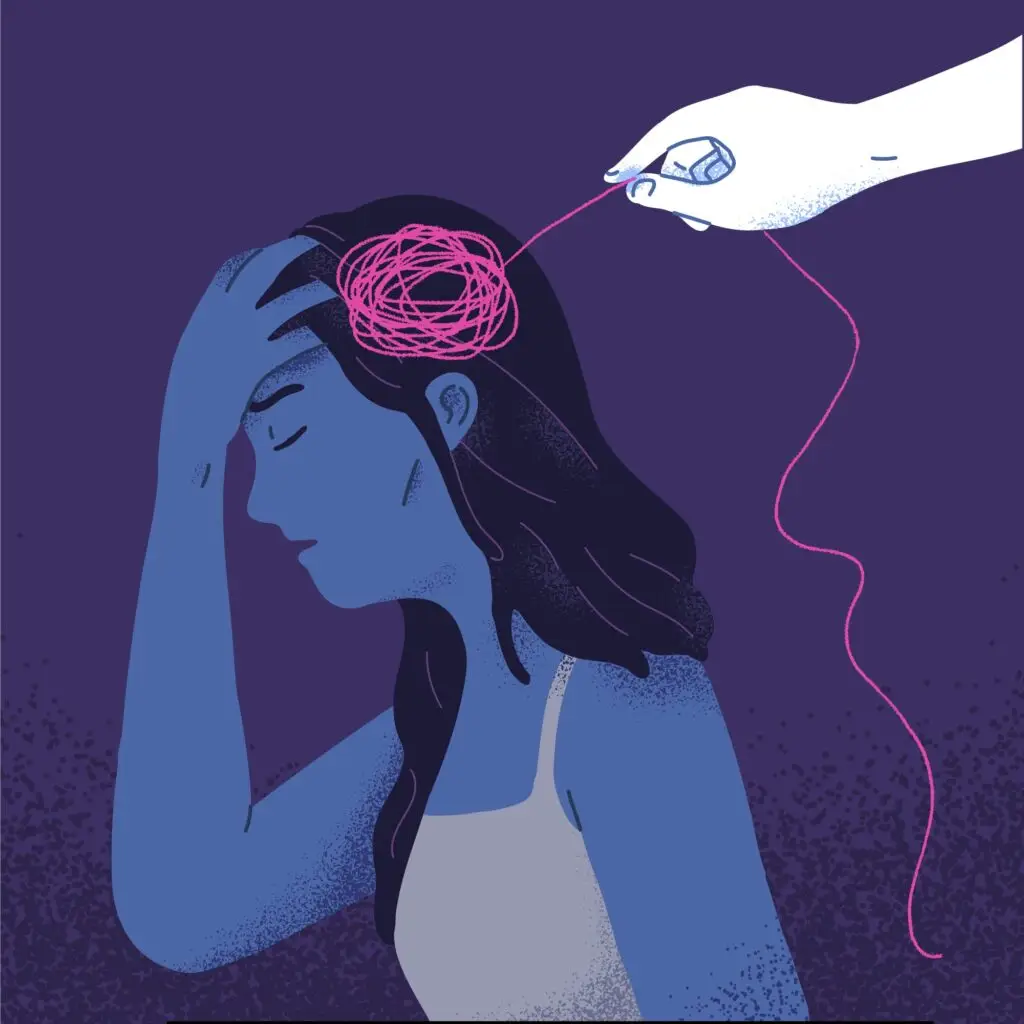

Mental Health PHP: Daily Structured Care for Recovery & Healing
Mental Health PHP programs provide intensive and structured care designed to support recovery and promote mental wellness. At SagePoint Behavioral Health, the Mental Health Partial Hospitalization Program (PHP) offers a comprehensive and individualized approach for people facing mental health or substance use challenges. Through daily therapy sessions, skill-building workshops, and coordinated care, participants learn practical coping strategies, relapse prevention techniques, and emotional regulation skills that can be applied beyond the program. The program focuses on teaching tools for managing stress, improving relationships, and enhancing overall emotional resilience while providing a supportive and safe environment for healing.
These programs bridge the gap between inpatient care and traditional outpatient therapy by offering consistent daily support and targeted interventions. Participants benefit from the guidance of a multidisciplinary care team, including therapists, psychiatrists, and support staff, who monitor progress and adjust treatment plans as needed. Structured daily routines allow individuals to practice skills in real-world scenarios, build confidence, and gain independence in managing their mental health. Mental Health PHP equips participants with the knowledge, strategies, and support necessary to maintain long-term wellness and navigate life’s challenges with greater stability and resilience.

What is a Mental Health PHP?
A Mental Health Partial Hospitalization Program (PHP) is a comprehensive level of care designed for individuals who need more intensive treatment than traditional outpatient therapy but do not require 24-hour inpatient care. PHP allows participants to engage in a structured daily schedule while returning home in the evenings. This format provides a balance between intensive therapeutic support and the opportunity to apply skills in real-world settings.
Key differences include:
- PHP vs. Intensive Outpatient Program (IOP): PHP involves more hours per week with daily structured sessions. IOP typically meets fewer days and fewer hours each week, providing less daily support.
- PHP vs. Inpatient Care: PHP delivers intensive treatment while allowing patients to remain in their home environment. This structure encourages practical application of coping strategies while maintaining a high level of support.
Ideal candidates for a Mental Health PHP include individuals with moderate to severe mental health conditions, those transitioning from inpatient care, and anyone needing consistent, structured support to maintain progress. PHP helps prevent relapse, build coping skills, and promote long-term mental wellness.
Key Components of Mental Health PHP
Daily Therapy Sessions
Structured group therapy is at the heart of a successful Mental Health PHP. SagePoint Behavioral Health offers a supportive environment where participants can share experiences, receive feedback, feel supported, and practice social learning alongside peers. SagePoint Behavioral Health also provides individual therapy sessions that focus on personal mental health goals and emotional processing. Family therapy is also available to guide and educate loved ones, helping them understand the recovery process and effectively support the participant’s journey toward wellness.
Skill-Building Workshops
Skill-building workshops in the Mental Health PHP focus on practical strategies that enhance resilience and improve daily functioning. Participants learn coping skills to manage anxiety, depression, and other emotional challenges. Emotional regulation techniques are taught to help respond to stressors in healthy ways. At the same time, stress management practices such as mindfulness, relaxation exercises, and problem-solving strategies provide tools to reduce daily strain and maintain mental stability.
Medication Management
Psychiatric care is an essential part of the program. Participants receive thorough psychiatric evaluations to ensure accurate diagnosis and effective treatment planning. Ongoing medication monitoring helps optimize therapeutic outcomes, and education on proper adherence and understanding medication effects ensures patients are informed and supported throughout their treatment.
Care Coordination
Successful recovery relies on collaboration between professionals and support systems. Communication with primary care physicians and specialists ensures continuity of care. Family and caregiver involvement provides additional support, while careful planning helps participants transition smoothly to outpatient therapy or other community-based care programs.
Benefits of Enrolling in Mental Health PHP
Enrolling in a Mental Health PHP offers several key advantages that support recovery and promote long-term wellness:
- Structured Environment: Participants follow consistent daily routines that provide stability, predictability, and a safe space to practice coping skills. This structure helps individuals establish healthy habits and reinforces progress made during therapy.
- Accountability: Regular check-ins and ongoing progress monitoring allow participants to stay committed to their treatment plan. This support encourages continued effort, enhances motivation, and helps individuals track improvements over time.
- Multidisciplinary Team Access: Participants benefit from the guidance of a team that includes psychiatrists, therapists, and support staff. This collaborative approach ensures comprehensive care that addresses mental health, emotional needs, and practical strategies for daily living.
- Smoother Transitions: By building essential skills and coping strategies, participants are better prepared to move confidently to less intensive care levels. This promotes sustained progress, long-term mental wellness, and independence in managing mental health.
Typical PHP Daily Schedule
A Mental Health Partial Hospitalization Program (PHP) provides a structured yet supportive balance of therapy, skill development, and self-care.
- Morning Check-In & Group Sessions – The day begins with emotional check-ins, goal setting, and peer connection. Group sessions and workshops focus on personal challenges, coping strategies, and emotional growth. (10am – 1pm)
- Lunch & Self-Care – A midday break allows time for rest, reflection, and practicing healthy routines that promote overall well-being. (1pm – 1:30pm)
- Afternoon Therapy – Participants continue with group therapy or meet individually with a therapist, applying coping techniques and reinforcing skills introduced earlier in the day. (1:30pm – 3pm)
- Closing & Transition Planning – The day concludes with discharge planning and guided reflection, helping participants prepare to apply strategies at home and sustain progress toward resilience and recovery. (3pm – 3:30pm)
Who Can Benefit from Mental Health PHP
PHP in mental health is suitable for individuals managing a range of conditions, including depression, anxiety, post-traumatic stress disorder (PTSD), and substance use disorders. It provides a supportive and therapeutic environment where participants can develop coping strategies, practice emotional regulation, and manage their symptoms effectively. Mental Health PHP is especially beneficial for those who require intensive support for moderate to severe mental health concerns, need a structured transition from inpatient care, or seek more consistent guidance than traditional outpatient therapy offers. Patients struggling with anxiety, depression, trauma-related disorders, or co-occurring substance use issues often experience meaningful improvement, gaining the tools and confidence necessary to maintain long-term wellness and resilience.
How to Get Started with Mental Health PHP
SagePoint Behavioral Health makes beginning a Mental Health PHP simple, supportive, and structured:
- Reach Out for a Free Consultation: Contact our office to verify insurance benefits and ask any initial questions about the program.
- Schedule an Intake Assessment: Complete a thorough clinical assessment with a SagePoint therapist to review your mental health or substance use history, current challenges, and treatment goals. This step helps create a personalized care plan just for you.
- Individualized Treatment Planning: Based on your assessment, our team develops a customized plan tailored to your unique needs. We will review goals, program structure, and expectations to ensure clarity.
- Begin Your Treatment Journey: Attend scheduled group therapy, individual counseling, and additional recommended services. Sessions provide a balance of structure and flexibility while supporting skill development, emotional regulation, and relapse prevention.
- Preparing for Transition: As you near program completion, we develop an aftercare plan including outpatient therapy, support groups, or community resources to support ongoing recovery and growth.
Contact SagePoint Behavioral Health today to schedule your consultation and take the first step toward recovery and resilience.