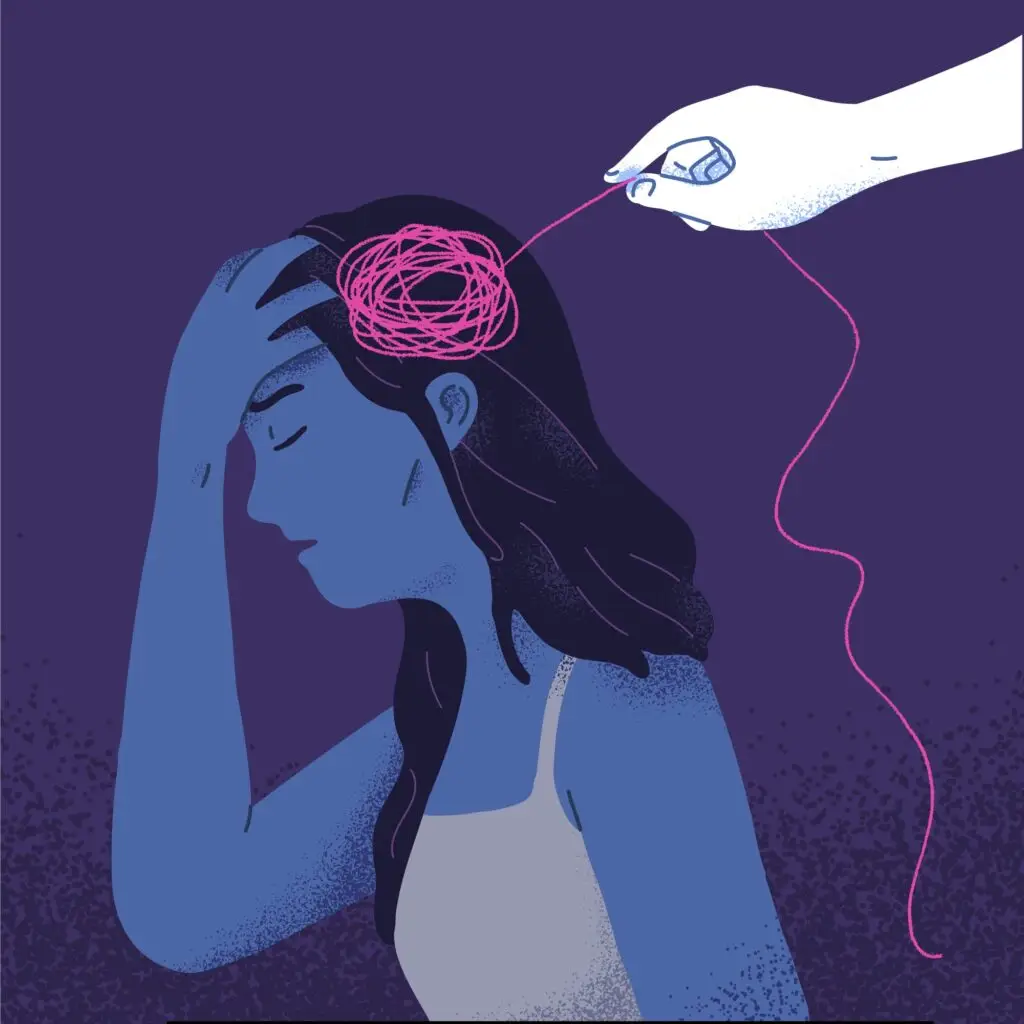

SagePoint Referrals, Linkage & After-Care Services Strengthen Recovery
Referrals, linkage, & after-care at SagePoint Behavioral Health offer clients a smooth and supportive path from treatment to lasting recovery. Also called Case Management, this service uses a collaborative and coordinated approach to connect clients with essential health and social services. The primary goal is to assist individuals in moving from the structured setting of intensive outpatient care to independent living while ensuring they have continuous access to reliable support. This comprehensive process is designed to address each client’s unique needs and provide the tools necessary for sustained success.
The SagePoint team works closely with clients to assess their needs and arrange warm handoffs to trusted community providers. We develop personalized after-care plans that focus on reducing the risk of relapse and strengthening vital recovery skills. By encouraging connections within the recovery community, clients gain supportive networks that help maintain their progress over time. This ongoing support not only fosters self-confidence and independence but also equips clients to advocate for themselves and manage the challenges of recovery beyond their time in treatment.

What is Referrals, Linkage, & After-Care (Case Management)?
Definition & Purpose
Referrals, Linkage, and After-Care, also known as Case Management, ensure clients receive the support and services needed for a smooth transition from treatment to everyday life. This process connects individuals to vital community resources such as medical providers, therapists, vocational programs, and housing assistance. The main goal is to address each client’s unique needs while equipping them with the tools necessary to achieve and maintain their treatment goals.
Core Functions
To support clients effectively, Case Management focuses on several key functions:
- Referrals: Clients are directed to the right professionals, including mental health specialists, medical practitioners, employment counselors, and housing agencies.
- Linkage: This involves coordinating smooth transitions from SagePoint’s intensive outpatient program to after-care services and community-based support.
- After-Care Planning: Ongoing strategies are developed to help clients maintain their progress, reduce the risk of relapse, and build greater independence.
Building Self-Efficacy and Advocacy
Our approach focuses on empowerment. We guide clients as they connect with needed services, helping them gain confidence to manage their recovery. Over time, clients develop self-advocacy skills that enable them to seek support, establish healthy boundaries, and make informed decisions about their care.
Role of Community Support in Recovery
Importance of a Strong Recovery Network
Recovery does not end when treatment concludes. A strong, consistent support network provides a safe space to both give and receive help. Community connections reinforce long-term recovery skills and create accountability, reducing isolation and improving emotional resilience.
Community Support Expectations at SagePoint IOP
While participating in SagePoint’s IOP, clients are encouraged and expected to attend community support groups. This ongoing engagement ensures that when they graduate, they already have a stable support structure in place.
Examples of Community Support Groups
We connect clients to a variety of recovery communities, including:
- SMART Recovery: Focused on self-management and behavior change.
- LifeRing: Peer-led sobriety support.
- Women for Sobriety: Designed for the unique needs of women in recovery.
- Dharma Recovery: Integrating Buddhist principles into recovery.
- Moderation Management: A harm-reduction approach for specific individuals.
- Alcoholics Anonymous (AA) / Narcotics Anonymous (NA): Well-established programs for addiction recovery.
Benefits of a Structured After-Care Plan
A structured after-care plan is essential for maintaining progress and supporting long-term recovery. At SagePoint Behavioral Health, we emphasize the importance of a well-designed plan that equips clients with the necessary tools and resources. The key benefits of a structured after-care plan include:
- Reduced Relapse Risk: Ongoing support helps decrease the chances of setbacks by providing continuous guidance and encouragement.
- Strengthened Coping Strategies: Clients reinforce and build upon the skills they learned during treatment, improving their ability to manage challenges.
- Accountability and Growth: An after-care plan motivates clients to set personal goals and stay committed to their recovery journey.
- Social Integration: Developing meaningful relationships within supportive communities promotes a sense of belonging and emotional well-being.
By focusing on these benefits, clients are better prepared to navigate life beyond treatment with confidence and resilience.
Our Process for Referrals, Linkage, & After-Care
At SagePoint Behavioral Health, our Referrals, Linkage, and After-Care process is designed to provide personalized and effective support every step of the way. We focus on meeting each client’s unique needs to ensure a smooth transition from treatment to lasting recovery. Our process includes:
- Assessment of Needs: We start by carefully identifying each client’s personal goals, challenges, and any gaps in resources. This helps us understand what support is necessary for successful recovery.
- Personalized Referral Plan: Based on the assessment, we create tailored recommendations for services such as mental health care, housing assistance, job training, or medical treatment that best fit the client’s situation.
- Seamless Linkage: We coordinate introductions and warm handoffs to trusted external providers, ensuring clients experience a smooth connection to additional support.
- Ongoing Monitoring: Our team conducts regular check-ins to track progress and make any needed adjustments to the after-care plan, keeping clients on the path to lasting wellness.
Why Choose Our Approach
At SagePoint Behavioral Health, several key qualities set our approach apart and support clients on their journey to lasting recovery. These unique strengths include:
- Skilled Clinical Team and Expertise: Our experienced clinicians understand the complexities of recovery and provide compassionate, expert care tailored to each client’s needs.
- Boutique Environment: SagePoint offers a warm and welcoming setting that feels personal and supportive, unlike a typical hospital environment. This atmosphere encourages comfort and trust throughout treatment.
- Flexible Scheduling: We provide scheduling options designed to fit busy lives, making it easier for clients to attend sessions and stay committed to their recovery.
- Focus on Lasting Recovery: Our program teaches practical coping skills, relapse prevention techniques, and emotional regulation strategies to build resilience that lasts well beyond treatment.
- Deep Community Connections: Strong relationships with trusted service providers enable reliable referrals and seamless linkage to outside resources for comprehensive support.
- Empowerment Focused Care: Clients develop confidence and independence to manage their recovery with less reliance on structured treatment.