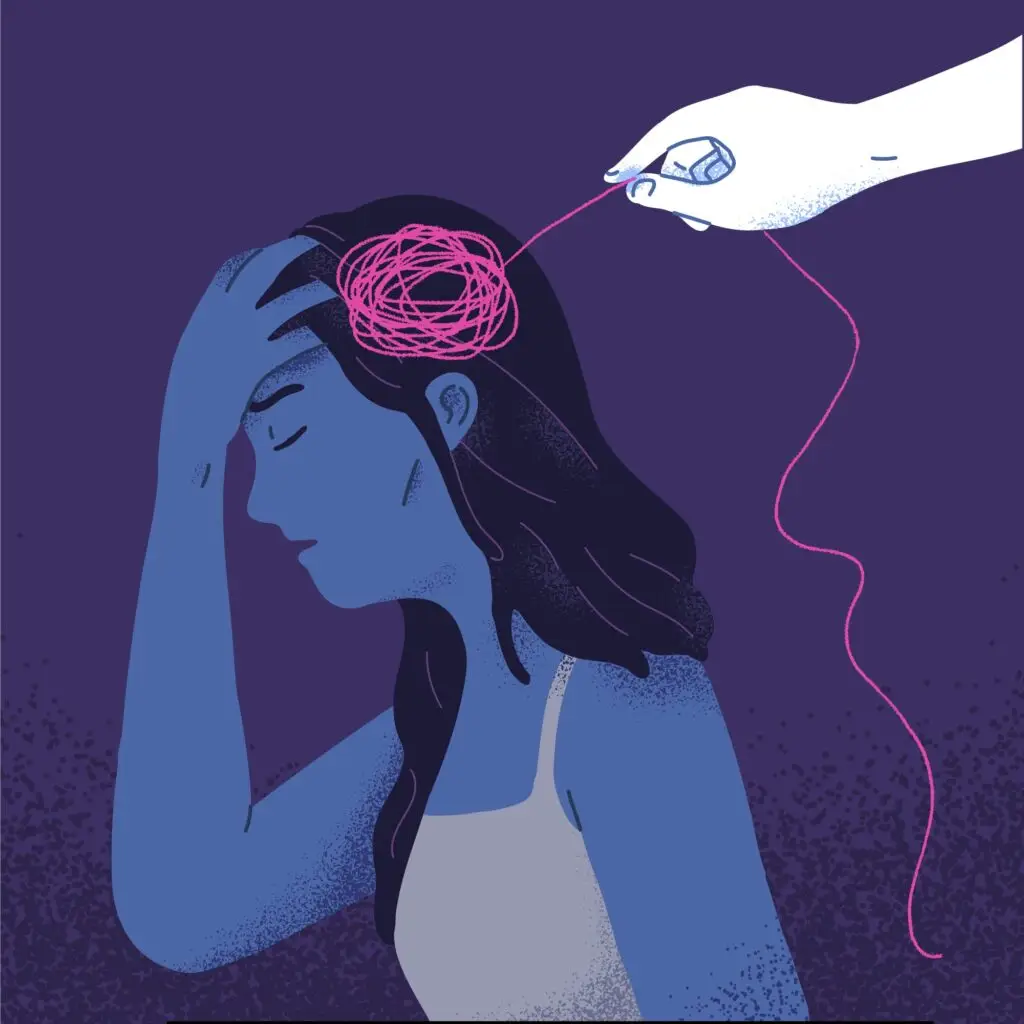

Achieve Recovery Goals with Individual Therapy in PHP & IOP Programs
Individual therapy is a foundational component of mental health and substance use recovery. It provides a secure and structured environment where participants can explore personal challenges, identify patterns that impact their well-being, and develop practical strategies for coping with stress, triggers, and emotional difficulties. At SagePoint Behavioral Health, individual therapy is carefully integrated into both Partial Hospitalization Programs (PHP) and Intensive Outpatient Programs (IOP). This approach allows each patient to receive focused attention on their specific mental health or substance use needs while maintaining connection to broader program activities that promote community, support, and overall wellness.
Through a variety of evidence-based approaches, including cognitive behavioral therapy, dialectical behavior therapy, and motivational interviewing, participants learn essential skills for managing emotions and preventing relapse. Individual therapy helps build resilience by addressing underlying challenges, reinforcing healthy coping mechanisms, and supporting long-term recovery goals. Patients gain the tools needed to navigate daily life successfully while receiving consistent guidance from experienced clinicians. The skills learned during therapy sessions extend well beyond the program, empowering individuals to maintain emotional balance, sustain recovery, and cultivate lasting personal growth.

What is Individual Therapy?
Individual therapy, also known as one-on-one counseling, provides patients with a private and focused space to explore personal challenges with a licensed clinician. Unlike group therapy, which emphasizes shared experiences among peers, or family therapy, which involves loved ones in the treatment process, individual therapy is tailored to the specific needs of each participant. This approach allows patients to receive targeted support for their mental health or substance use concerns while developing practical coping strategies and emotional regulation skills.
SagePoint Behavioral Health uses a range of evidence-based methods in individual therapy, ensuring treatment is both effective and adaptable to each patient’s needs. These approaches include:
- Cognitive Behavioral Therapy (CBT): Helps patients recognize and modify unhelpful thought patterns and behaviors.
- Motivational Interviewing (MI): Strengthens motivation for recovery and encourages lasting behavioral change.
- Dialectical Behavioral Therapy (DBT): Focuses on emotional regulation, distress tolerance, and improving interpersonal skills.
- Mindfulness Strategies: Teach awareness and present-moment focus to reduce stress and enhance coping.
- Matrix Model & Relapse Prevention (RP): Provides structured support to prevent relapse and reinforce recovery skills.
These methods ensure patients build resilience and achieve meaningful progress in their recovery journey.
Benefits of Individual Therapy in PHP & IOP Programs
Individual therapy offers a variety of advantages for participants in both PHP and IOP programs. At SagePoint Behavioral Health, patients experience a highly structured and supportive environment where therapy is focused on personal growth and recovery milestones. Key benefits include:
Personalized Focus on Recovery Goals:
Each session is designed to address the participant’s unique challenges, ensuring targeted support for their journey.Addressing Specific Challenges and Triggers:
Therapists help patients recognize the circumstances or behaviors that contribute to setbacks, providing strategies to manage or avoid them.Building Coping Skills and Resilience:
Participants develop tools for emotional regulation, stress management, and healthy decision-making, fostering long-term recovery success.Encouraging Accountability and Progress Tracking:
Regular individual therapy sessions allow for consistent monitoring of progress and adjustments to treatment plans, reinforcing commitment to personal goals.
Through these benefits, participants gain practical skills that not only assist them during the program but also support sustained recovery after discharge.
How Individual Therapy Fits into PHP & IOP Schedules
Individual therapy plays a central role in both Partial Hospitalization Programs (PHP) and Intensive Outpatient Programs (IOP) by combining structured treatment with personalized support. In a typical PHP schedule, the day begins with morning check-ins and goal-setting, allowing participants to reflect on their progress and plan for the day’s therapeutic activities. Individual therapy sessions provide focused one-on-one time with a licensed clinician, addressing thoughts, feelings, and behaviors that impact recovery. These sessions complement group therapy and skill-building workshops, allowing patients to practice coping strategies and apply new skills in real time. Evening reflection will enable therapists to review progress, adjust goals, and provide guidance for challenges encountered throughout the day.
In IOP programs, individual therapy is usually scheduled several times per week and is integrated alongside group therapy, educational workshops, and peer support activities. Therapists use these sessions to reinforce skills learned in groups, address obstacles to progress, and prepare participants for independent management of recovery goals. By combining personalized attention with community support, individual therapy enhances the effectiveness of PHP and IOP programs and helps patients build long-term resilience and recovery skills.
Who Can Benefit from Individual Therapy
Individual therapy is highly versatile and can support a wide range of patients, including:
- Individuals Struggling with Mental Health Disorders: Anxiety, depression, PTSD, bipolar disorder, and other conditions are addressed through targeted interventions.
- Individuals Addressing Substance Use Disorders: Personalized strategies help patients understand triggers, manage cravings, and prevent relapse.
- Patients Seeking a Combination of PHP and IOP Services: Those who require a structured yet flexible treatment plan benefit from individualized attention within the broader program framework.
By tailoring therapy to the participant’s unique experiences, SagePoint Behavioral Health ensures that all patients can work toward measurable progress, regardless of their diagnosis or recovery stage.
What to Expect During Individual Therapy Sessions
Understanding the structure and goals of individual therapy sessions can help patients feel more comfortable and confident when beginning treatment. At SagePoint Behavioral Health, patients can expect:
Assessment and Goal-Setting:
Therapists evaluate each patient’s mental health and substance use history, current challenges, and personal recovery objectives.One-on-One Counseling Techniques:
Sessions may include cognitive restructuring, mindfulness exercises, behavioral interventions, and skill-building activities.Progress Monitoring and Adjustments to Treatment:
Therapists regularly assess patient outcomes, modifying the treatment approach as needed to maximize recovery potential.Confidentiality and Therapeutic Relationship:
Individual therapy provides a safe, private environment where patients can share openly, fostering trust and collaboration.
This structured yet adaptable approach ensures that each session is meaningful, productive, and tailored to the participant’s evolving needs.