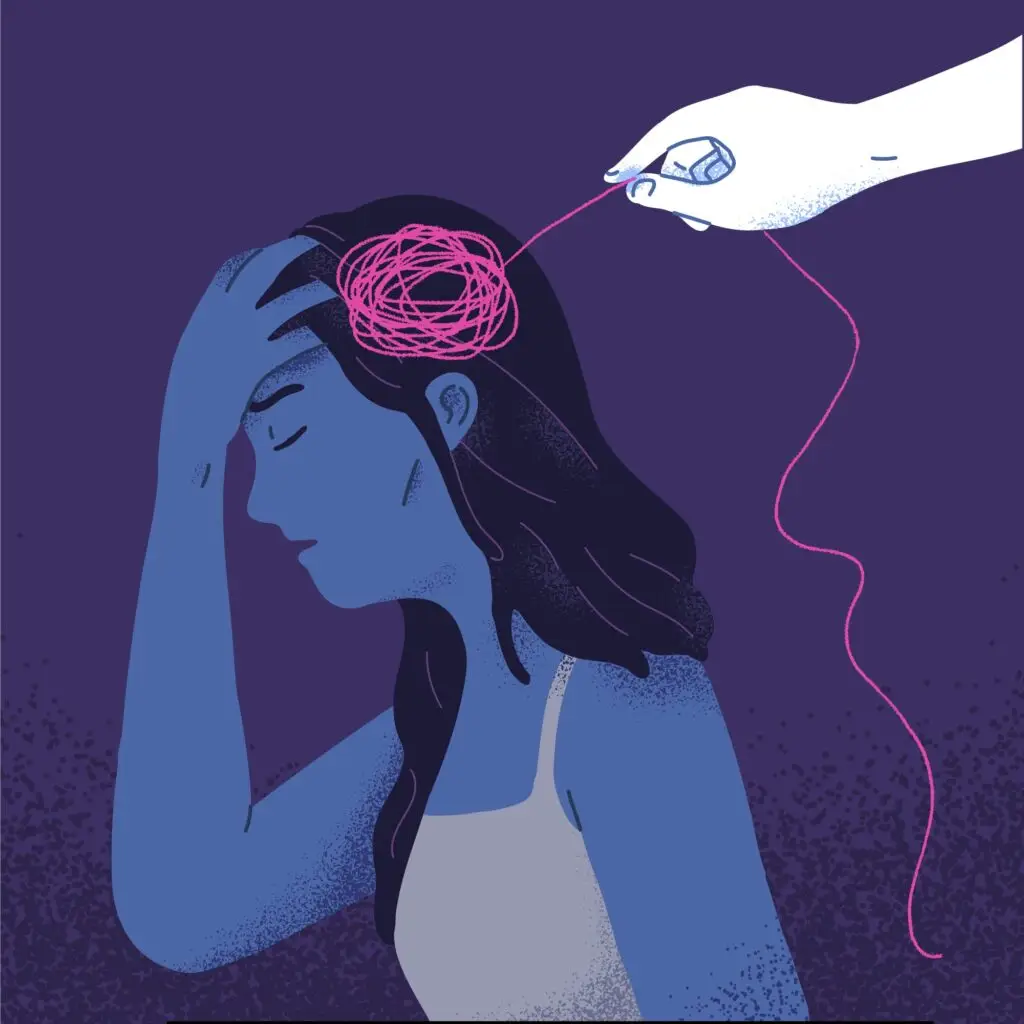

We Can Help You Start Your Journey to Recovery Today
Deciding to seek help is one of the most important and courageous choices you can make for yourself or for someone you care about. At SagePoint Behavioral Health, the mission is to guide individuals through a clear and compassionate admissions process that minimizes stress and confusion. Each step is designed to be supportive and easy to follow, giving you the confidence to begin your path toward recovery with the reassurance that you are not alone.
Whether you are facing challenges related to substance use, a mental health disorder, or both, the team at SagePoint Behavioral Health is ready to provide the expertise, compassion, and structure you need to take the next step forward. The program combines evidence-based treatment with a personalized approach to address your unique needs. From the very first conversation, you will find a caring environment where your well-being is the top priority, helping you build the foundation for lasting healing and a more hopeful future.

Our Admissions Process
Starting treatment at SagePoint Behavioral Health is straightforward and confidential. We want you to feel supported from your very first contact with us.
Here’s what to expect:
- Initial Contact: Call us directly or submit an online inquiry. A member of our admissions team will listen to your concerns, answer questions, and explain how our program works.
- Confidential Consultation: We’ll arrange a time to speak with you in more detail about your needs, symptoms, and personal history. This is an opportunity to see if SagePoint Behavioral Health is the right fit for your situation.
- Assessment & Documentation: Our clinical team will conduct a comprehensive assessment, which may include discussing medical history, current challenges, and any previous treatment experiences. We will also guide you through any necessary paperwork.
- Treatment Planning: Once your assessment is complete, our clinicians will develop an individualized treatment plan that addresses your specific needs.
- Program Start & Orientation: You will be introduced to your care team, receive your schedule, and begin treatment in a safe, structured environment.
We understand that reaching out for help can feel overwhelming. That’s why every step of our admissions process is designed to be clear, compassionate, and judgment-free.
Common Conditions We Treat at SagePoint
SagePoint Behavioral Health specializes in treating a range of mental health and substance use disorders using evidence-based and trauma-informed approaches. Our goal is to address the underlying causes of distress while helping clients develop the tools they need for long-term recovery.
Substance Use Disorders
Substance use disorders can affect anyone, regardless of age, background, or life circumstances. They can take a serious toll on physical health, emotional well-being, relationships, and overall quality of life.
Common signs and symptoms may include:
- Repeated unsuccessful attempts to stop using alcohol or substance
- Difficulty enjoying social activities without substances
- Concerns from friends or family about substance use
- Strained family or personal relationships
- Continued substance use despite serious consequences, such as job loss, legal issues, or health problems
At SagePoint Behavioral Health, we approach substance use disorders with compassion and clinical expertise, helping clients uncover the root causes of addiction while building skills for sustainable recovery.
Mental Health Disorders
Our program treats a variety of mental health challenges from a holistic, trauma-informed, and evidence-based perspective. By focusing on the whole person, including mind, body, and spirit, we help clients find balance and resilience.
Conditions we treat include:
- Depression
- Anxiety
- Post-Traumatic Stress Disorder (PTSD)
- Bipolar Disorder I & II
- Social Anxiety
- Co-occurring Mental Health & Substance Use Disorders
Understanding Co-Occurring Disorders
A co-occurring disorder, also known as a dual diagnosis, happens when a person has both a substance use disorder and a separate mental health condition. Common examples include depression, bipolar disorder, post-traumatic stress disorder (PTSD), attention-deficit/hyperactivity disorder (ADHD), and other mental health issues. These conditions can interact and worsen one another, making recovery more complicated if both disorders are not identified and treated together. They frequently affect relationships, employment, and physical health, making comprehensive care essential.
SAMHSA reports that about 7.9 million U.S. adults live with a co-occurring disorder. About fifty percent of people seeking substance use treatment also have a mental health diagnosis. Symptoms often overlap, complicating diagnosis and delaying care. If untreated or treated separately, consequences can be severe and sometimes fatal. Early identification and integrated treatment addressing both conditions together lead to better outcomes, reduce relapse risk, and improve functioning, stability, and long-term recovery prospects overall.
Why Diagnosis Can Be Challenging
Many individuals receive treatment for only one condition. At the same time, the other goes unaddressed, often due to overlapping symptoms, shared biological, psychological, and social factors, or the presence of other urgent health concerns that delay a complete evaluation. Determining which condition developed first can be difficult, leading to gaps in care. Without a comprehensive, integrated approach that treats all co-occurring disorders together, recovery efforts may be less effective, short-lived, or incomplete, underscoring the importance of thorough assessment and coordinated treatment from the start.
Common Co-Occurring (Dual Diagnosis) Disorders
Mood Disorders
- Major Depressive Disorder
- Persistent Depressive Disorder
- Bipolar Disorder I
- Bipolar Disorder II
Anxiety Disorders
- Generalized Anxiety Disorder (GAD)
- Post-Traumatic Stress Disorder (PTSD)
- Social Anxiety Disorder
- Panic Disorder (with or without Agoraphobia)
While many other mental health conditions may co-exist with substance use disorders, more than half of dual diagnoses involve mood or anxiety disorders.
Our Approach to Co-Occurring Disorders
At SagePoint Behavioral Health, we believe that individuals with co-occurring disorders achieve the best results through integrated treatment by addressing both the mental health and substance use disorders simultaneously.
Benefits of our integrated approach include:
- More accurate diagnosis and targeted care
- Reduced risk of relapse
- Improved overall mental and physical health
- Stronger coping skills for managing stressors
- Enhanced quality of life and stability
This method has been shown to produce better long-term outcomes and prevent the cycle of untreated symptoms. If you or someone you know is struggling with a co-occurring disorder, our team is here to help. Call 916-896-1061 or email info@sagepointiop.com today.
Why Choose SagePoint Behavioral Health for Admissions?
Choosing the right program is a crucial step toward lasting recovery. At SagePoint Behavioral Health, clients benefit from a combination of expert care, a supportive environment, and flexible options tailored to their needs. Here are some key reasons to consider our program:
- Skilled Clinical Team and Expertise: Years of combined experience treating complex mental health and substance use disorders.
- Boutique Environment: A warm and welcoming setting that offers personalized care, unlike a hospital atmosphere.
- Flexible Scheduling: Treatment plans tailored to fit your daily life and responsibilities.
- Focus on Lasting Recovery: Practical coping skills, relapse prevention, and emotional regulation to build resilience beyond the program.
- Whole-Person Care: Addressing physical, emotional, and social well-being for comprehensive healing.