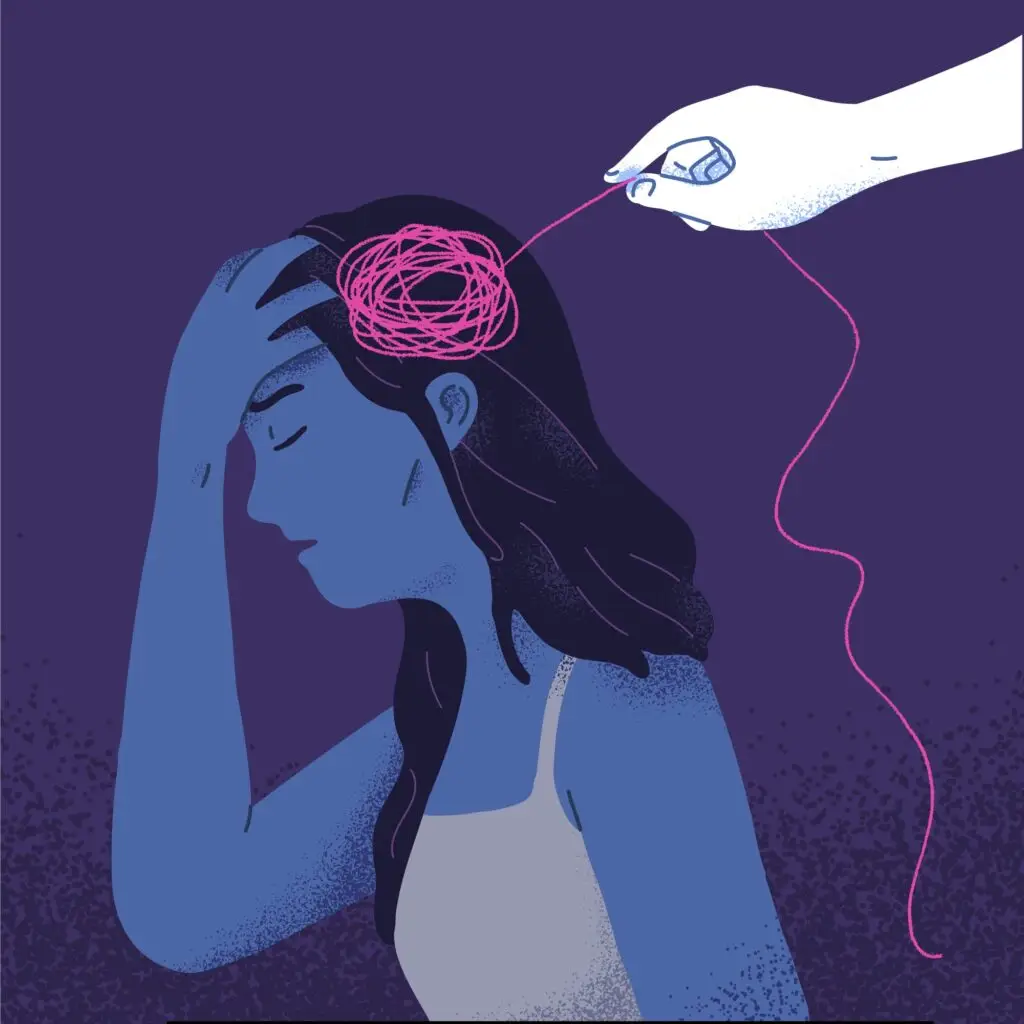
Accessing effective mental health care can feel overwhelming, especially when balancing treatment needs with financial realities. Intensive Outpatient Programs (IOPs) are highly effective for individuals requiring structured care without full hospitalization, but cost often plays a critical role in decision-making. Understanding financing options for mental health IOP is essential to ensure that individuals and families can focus on recovery rather than financial stress. SagePoint Behavioral Health provides valuable insights into available resources, enabling patients to make informed decisions and access the care they need.
What Is an Intensive Outpatient Program (IOP)?
An Intensive Outpatient Program (IOP) offers structured care for individuals who require more support than weekly therapy but do not necessitate 24-hour inpatient treatment. These programs typically include a combination of individual counseling, group therapy, and skill-building sessions scheduled several times a week. They are designed to help people strengthen coping strategies, build healthier routines, and receive consistent support while still maintaining work, school, or family responsibilities.
IOPs are often recommended for those dealing with depression, anxiety, trauma, or substance use disorders. Costs can vary depending on the length of treatment, the services offered, and the location, which can make affordability a significant concern. Exploring financing options for mental health IOP is essential to ensure access to adequate care without overwhelming financial stress. By understanding available resources, individuals and families can make informed choices that support both recovery and long-term stability.
Why Financing Options Matter in Mental Health Care
The demand for mental health services has increased dramatically, highlighting both the importance of treatment and the financial barriers that exist. For many, the cost of IOP can feel like a roadblock. This is where financing strategies become critical.
By exploring financing options for mental health IOP, individuals can:
- Reduce the financial strain of ongoing care
- Access treatment without delaying support
- Plan for long-term stability in recovery
Making treatment financially accessible ensures that more people can receive the help they deserve without compromising their financial situation.
Common Financing Options for Mental Health IOP
Health Insurance Coverage
Health insurance is one of the most common ways to finance IOP care. Most private insurance policies cover some form of outpatient mental health treatment, though coverage levels vary. It is essential to contact the insurance provider directly to confirm which portion of the IOP is covered and to determine any applicable out-of-pocket costs.
Medicaid and Medicare can also provide significant support for those who qualify. These programs often cover intensive outpatient treatment, although patients may need to select specific facilities within their provider’s network. SagePoint Behavioral Health helps patients verify their benefits, ensuring they have a clear understanding of their coverage and associated responsibilities.
Employer Assistance Programs (EAPs)
Many employers offer Employee Assistance Programs (EAPs), which provide short-term mental health support and referrals to resources. While EAPs may not cover the full cost of an IOP, they can help with initial counseling sessions and connect employees to affordable providers.
EAPs are especially beneficial for individuals who may feel uncertain about how to begin addressing their mental health needs. By leveraging this benefit, patients can reduce some of their initial costs and transition smoothly into more structured treatment, such as IOP.
Out-of-Pocket Payments
Some individuals choose to pay for IOP services out of pocket. While this option requires careful budgeting, it can offer flexibility in selecting providers and treatment approaches without the restrictions of insurance networks. Patients paying directly often have the freedom to choose customized programs that best meet their recovery goals.
SagePoint Behavioral Health collaborates with patients to ensure transparency in billing, enabling them to plan realistically and avoid unexpected financial burdens.
Payment Plans and Sliding Scale Fees
Many treatment centers, including SagePoint Behavioral Health, offer payment plans that allow patients to spread costs over time. These structured payment options reduce the pressure of paying upfront, making treatment more manageable for families and individuals.
Sliding-scale fees are another option, adjusting the cost of care based on income level. For patients facing financial hardship, this approach can be a lifeline to receiving essential care without sacrificing stability.
Government and Nonprofit Assistance
Government programs and nonprofit organizations can provide additional financial assistance. Some community grants, charitable foundations, and advocacy groups help individuals cover part of their mental health treatment costs.
These resources may not fully cover IOP fees, but can significantly reduce the financial burden. Exploring local and national programs can uncover hidden opportunities for support.
Comparing Financing Options for Mental Health IOP
When considering financing options, it is essential to weigh the benefits and drawbacks of each. Insurance may reduce direct costs, but it can also limit the choice of providers. Out-of-pocket payments offer flexibility but require more thorough financial preparation. Payment plans and sliding scales offer relief for those with limited incomes, while government aid and nonprofit resources provide supplemental assistance.
The best approach often involves combining multiple financing methods. For example, insurance may cover a portion of treatment, while a payment plan can help with the remainder. SagePoint Behavioral Health encourages patients to review all available options before committing to a financial plan.
Tips for Managing Mental Health Treatment Costs
Successfully managing the cost of IOP requires proactive planning and management. Here are some strategies to make care more affordable:
- Ask detailed questions about billing: Clarify what is included in the program fee and what may be billed separately.
- Leverage Health Savings Accounts (HSAs) or Flexible Spending Accounts (FSAs): These accounts allow patients to use pre-tax dollars for healthcare expenses, including mental health treatment.
- Plan for long-term affordability: Consider the potential length of treatment and budget accordingly.
- Seek guidance from providers: Facilities like SagePoint Behavioral Health often have financial counselors who can help patients identify the best options for their unique circumstances.
Taking these steps ensures that cost does not prevent individuals from continuing their recovery journey.
Frequently Asked Questions
When considering treatment, it is natural to have questions about affordability and coverage. To help provide clarity, here are some of the most common questions patients ask about financing options for IOP:
Q: Does insurance always cover IOP treatment?
A: Coverage varies by provider and plan. Patients should verify the details directly with their insurance company and confirm them with the treatment center to ensure accuracy.
Q: Can I use both insurance and a payment plan?
A: Yes, many patients use insurance to cover part of the cost and arrange a payment plan for the balance.
Q: Are there nonprofit organizations that help with mental health costs?
A: Yes, several nonprofits and foundations offer financial assistance, particularly for individuals with limited resources.
Q: How do I know if I qualify for a sliding scale fee?
A: Eligibility is typically based on income and family size. Treatment centers review documentation before adjusting costs.
Affordable Paths to Care: Financing Options for Mental Health IOP
Financial barriers should not hinder access to quality mental health treatment. By exploring financing options for mental health IOP, individuals and families can find ways to make effective care more attainable. Whether through insurance coverage, employer assistance programs, sliding-scale fees, or nonprofit support, there are practical solutions that ease the financial burden and allow patients to focus on their recovery.
SagePoint Behavioral Health is committed to helping patients understand and access these resources, ensuring that treatment remains accessible and within reach. With guidance and support, individuals can prioritize their healing and long-term well-being over financial stress. Contact SagePoint Behavioral Health today to learn more about available financing opportunities and take the first step toward accessible, life-changing care.