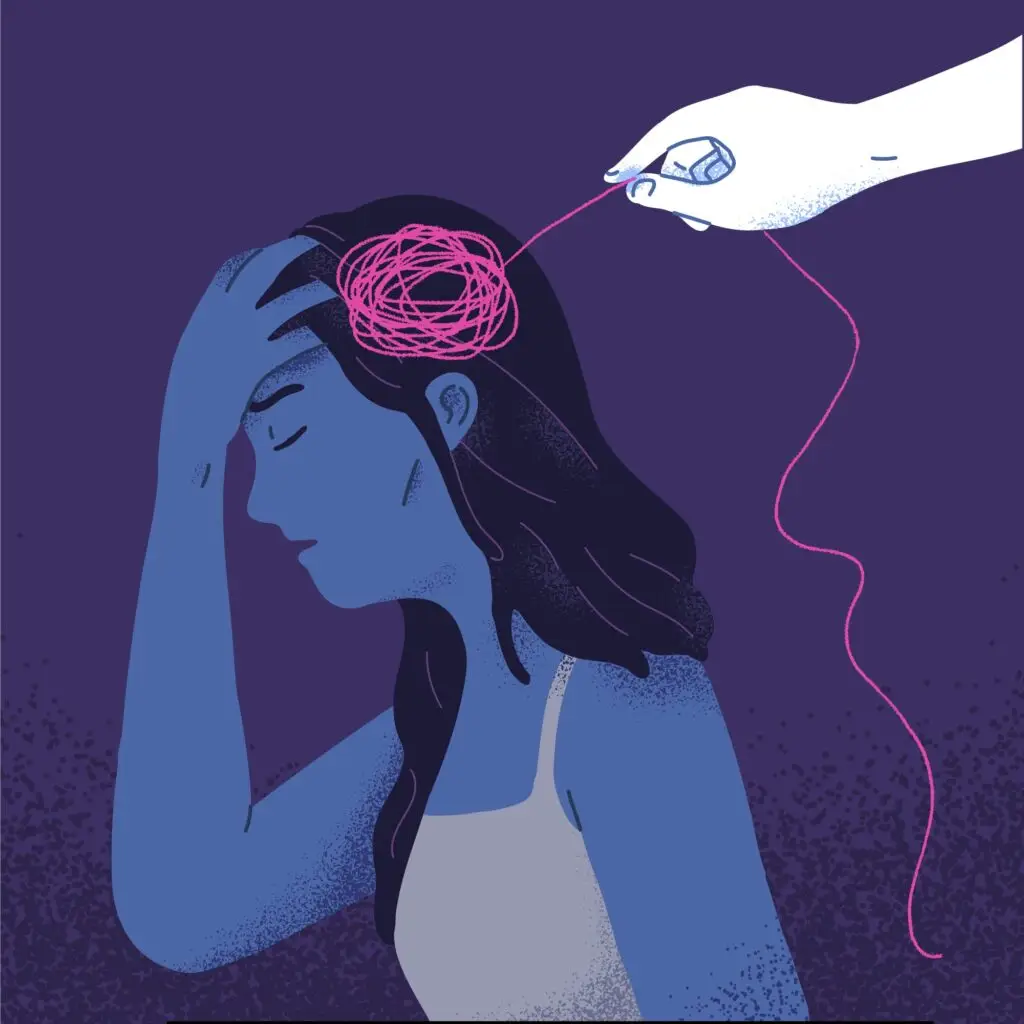
Understanding Behavioral Health Services for Recovery: Mental Health Treatment Programs and Support in Elk Grove
Behavioral health services are central to recovery for people with mental health and substance use disorders. They include a spectrum of treatment options tailored to complex clinical needs. This article outlines the types of services available, the conditions they treat, and the evidence-based approaches that support recovery. We also explain the admissions process at SagePoint Behavioral Health, a provider in Elk Grove, California, focused on mental health and substance use disorder treatment programs. Clear information helps individuals and families make informed decisions about care.
Types of Services Offered
In Elk Grove, behavioural health services cover several structured treatment options designed to support recovery across levels of need.
- Partial Hospitalization Programs (PHP): Intensive programs designed for individuals who require structured support while still being able to return home.
- Intensive Outpatient Programs (IOP): These programs allow individuals to receive comprehensive care while managing daily responsibilities.
- Individual Therapy: One-on-one counseling that focuses on personal issues and treatment goals.
- Group Therapy: Facilitated sessions where individuals share experiences and support one another in recovery.
- Medication Management: Ongoing evaluation and management of medications prescribed to support mental health.
These options are delivered to match each patient’s clinical presentation and personal circumstances, supporting sustained recovery through tailored care plans.
Disorders Addressed
SagePoint Behavioral Health provides treatment for a range of mental health and substance use disorders so clients receive care specific to their needs.
- Depression: A mental health disorder characterized by persistent feelings of sadness and loss of interest.
- Anxiety: Conditions that cause excessive worry, fear, or nervousness.
- Substance Use Disorders: Disorders involving the harmful use of substances, leading to significant impairment or distress.
Using a coordinated approach, SagePoint aims to address symptoms and underlying factors to improve overall mental health and functioning.
Evidence-Based Treatment Modalities
Behavioral health services at SagePoint use evidence-based modalities with demonstrated effectiveness for common mental health conditions.
| Treatment Modality | Description | Effectiveness |
|---|---|---|
| Cognitive Behavioral Therapy (CBT) | Focuses on changing negative thought patterns and behaviors. | Widely supported by research, effective for depression and anxiety. |
| Dialectical Behavior Therapy (DBT) | Combines traditional cognitive-behavioral techniques with mindfulness strategies. | Highly effective for borderline personality disorder and emotional regulation. |
| Relapse Prevention Techniques | Strategies designed to anticipate and manage potential relapse triggers. | Proven to reduce relapse rates, especially in substance use disorders. |
Familiarity with these modalities helps patients engage with treatment and understand expected outcomes.
Admissions Process at SagePoint
Understanding the admissions steps at SagePoint is an important first measure for those seeking care. The process is structured to assess needs and match clients with appropriate services.
- Initial Contact: Potential clients can reach SagePoint at (916) 896-1061 for a preliminary consultation.
- Assessment Appointment: During this appointment, a comprehensive evaluation is conducted to understand the individual’s needs and treatment goals.
- Enrollment Process: Once the assessment is complete, clients will be guided through the enrollment process, which includes discussing treatment options and setting up a personalized care plan.
Familiarity with these steps allows individuals to approach admissions with greater clarity and confidence.
Screening and Intake Evaluation Steps
The screening and intake evaluation determine the most appropriate treatment plan by assessing clinical and contextual factors.
- Initial Consultation: A meeting to discuss the individual’s concerns and treatment history.
- Clinical Interview: A structured conversation to assess mental health symptoms and needs.
- Biopsychosocial Assessment: Comprehensive evaluation of biological, psychological, and social factors affecting the individual’s well-being.
These assessments ensure treatment recommendations reflect the individual’s specific needs and maximise the chances of effective recovery.
What Are Behavioral Health Services and How Do They Support Recovery?
Behavioral health services include therapies, medication management, and peer or group supports that address symptoms and the factors contributing to them. This integrated approach helps patients build coping skills, manage triggers, and work toward improved functioning and quality of life through tailored clinical care.
How Does the Behavioral Health Admissions Process Work at SagePoint?
SagePoint’s admissions process starts with an initial contact and proceeds to a clinical assessment to identify the most suitable level of care. Staff prioritise confidentiality and patient comfort, guiding clients through each step and explaining treatment options and expectations.
What Are the Differences Between Outpatient and Residential Behavioral Health Services?
Recognising how outpatient and residential services differ helps people select the right level of care for their situation.
- Outpatient Services: These programs allow individuals to attend therapy and support sessions while living at home, which is ideal for those with stable home environments and support systems.
- Residential Services: These programs provide full-time care in a structured environment, suitable for individuals requiring intensive support and monitoring.
Choosing the appropriate setting depends on clinical severity, support at home, and the need for monitoring or a structured environment to support recovery.
What Are the Benefits of Residential Mental Health Care?
Residential care provides intensive support for people who need concentrated treatment and monitoring in a therapeutic setting.
- Structured Environment: Provides a controlled setting that minimizes stressors and distractions, allowing individuals to focus on their recovery.
- Peer Support: Enables patients to connect with others facing similar challenges, fostering community and shared experiences.
- Comprehensive Treatment: Access to a wide array of treatments and therapies that may not be available in outpatient settings.
For many patients, these elements combine to accelerate clinical progress and reduce environmental risks that can hinder recovery.
How Can Patients and Families Navigate Insurance and Payment Options for Recovery Services?
Understanding insurance and payment options helps families secure necessary care. Review plan benefits to see covered services, and ask providers about financial assistance or sliding-scale fees if coverage is limited.
- Insurance Coverage Details: Understanding what services and treatments are covered by insurance plans.
- Financial Assistance Availability: Seeking programs that offer financial support for those without sufficient coverage.
- Consultation Services: Utilizing specialists who can guide families through the insurance process and help identify the best options for care.
Working with clinical or financial coordinators can clarify costs and identify available support, improving access to appropriate treatment.
What Aftercare Support Services Enhance Long-Term Recovery Success?
Aftercare supports continuity of care and reduces relapse risk after formal treatment ends.
- Ongoing Community Support: Engaging in support groups and community resources to foster continued recovery.
- Skill-Building Resources: Programs that help individuals develop life skills and coping mechanisms necessary for successful reintegration into society.
- Importance of Aftercare Planning: Developing a detailed aftercare plan prior to completing a treatment program ensures that individuals have structured support as they transition back into everyday life.
Planned aftercare that includes community supports and skills training improves long-term outcomes and helps individuals manage challenges after treatment.
Frequently Asked Questions
What types of mental health professionals work in behavioral health services?
Behavioral health teams typically include psychiatrists, psychologists, licensed clinical social workers, and licensed professional counsellors. Psychiatrists focus on medication management, psychologists conduct assessments and provide therapy, and social workers or counsellors coordinate care and community resources. This team-based model supports comprehensive, coordinated treatment.
How can I find the right behavioral health service for my needs?
Select services based on clinical needs, program types, and staff expertise. Seek referrals from your primary care clinician, review facility accreditation, and confirm that treatment approaches—such as CBT or DBT—match your goals. Contacting facilities directly can clarify program fit and practical details.
What should I expect during my first therapy session?
The first session typically focuses on your concerns, history, and goals. The clinician will ask questions to assess needs and explain confidentiality and treatment expectations. This meeting establishes rapport and a plan for ongoing care.
Are there behavioral health services specifically designed for children and adolescents?
Yes. Many programmes offer child- and adolescent-specific services that consider developmental needs. Interventions may include family therapy, school-based supports, and age-appropriate therapies to address emotional, behavioural, and educational challenges.
What role do family members play in the recovery process?
Family engagement can strengthen treatment by providing emotional support, reinforcing therapeutic strategies, and aiding practical recovery steps. Family therapy and education help relatives understand conditions and contribute constructively while maintaining healthy boundaries.
How long does treatment typically last in behavioral health programs?
Treatment duration varies by diagnosis and progress. Partial hospitalisation often runs several weeks to a few months; intensive outpatient programmes also typically span several weeks. Clinicians regularly review progress and adjust plans to meet evolving needs.
What resources are available for those who cannot afford treatment?
Facilities may offer sliding scale fees, and community health centres or non-profit organisations can provide low-cost services. Government programmes and national resources, such as SAMHSA, can help locate affordable care and financial support options.
Conclusion
Behavioral health services offer structured, evidence-based care that helps individuals manage symptoms and work toward lasting recovery. Tailored treatment plans, coordinated admissions, and aftercare support improve outcomes. We encourage you to contact SagePoint Behavioral Health to discuss available options and begin planning care that meets your needs.