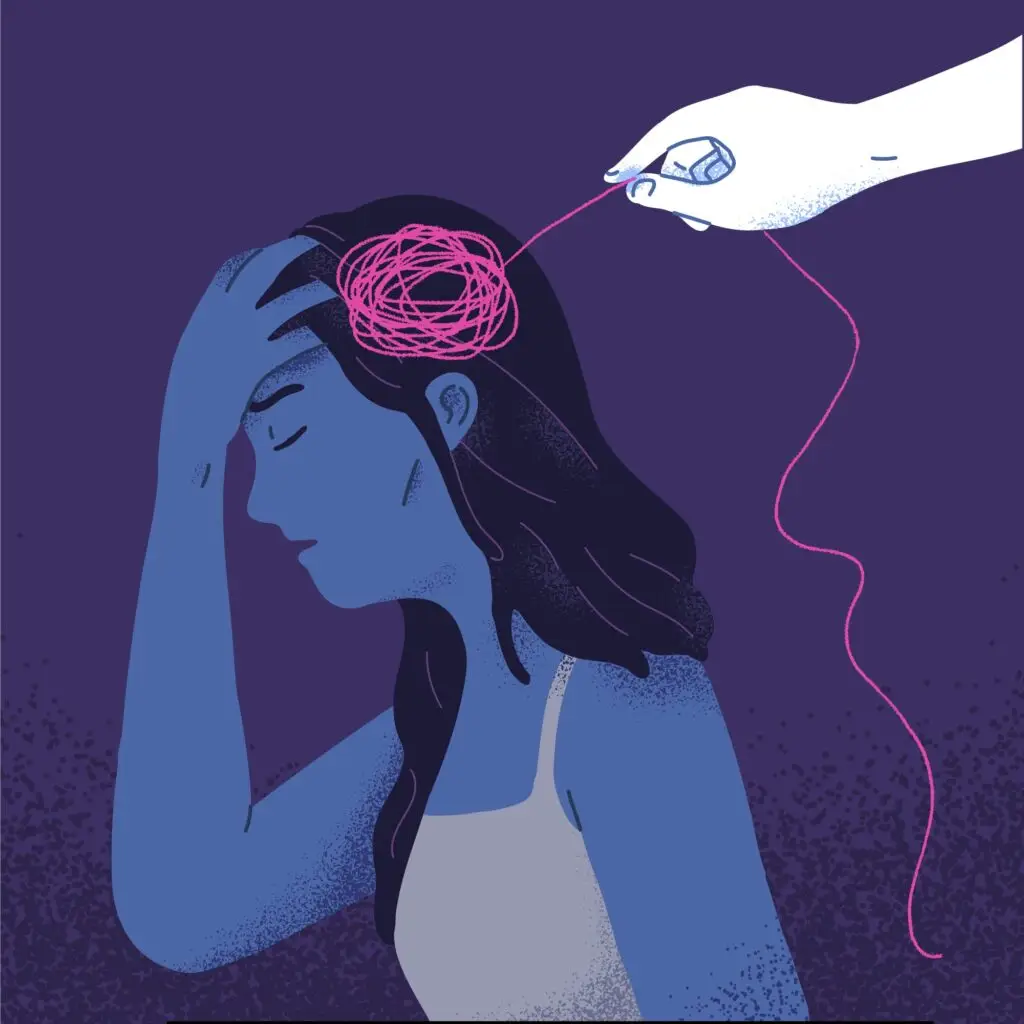
Why Behavioral Health Matters for Your Well-Being: Understanding Mental Health Treatment and Support
Behavioral health includes mental, emotional, and social well-being and shapes how we think, feel, and behave. Recognising its role is essential because it affects daily functioning and overall health. This article reviews the components of behavioral health, common therapy types, and how effective support systems aid treatment and recovery, underscoring behavioral health as a core element of a healthy life.
Types of Therapies
Various therapies support people with mental health and substance use disorders. Each method is adapted to individual needs and relies on distinct treatment modalities.
- Individual Therapy: This approach provides personalized support, allowing clients to work through specific issues with the guidance of a trained professional.
- Group Therapy: In group settings, individuals share experiences and support one another, fostering a sense of community and shared healing.
- Partial Hospitalization Programs: These intensive programs combine medical and therapeutic support, typically for individuals requiring structured care without inpatient hospitalization.
- Intensive Outpatient Programs: For those needing significant support but able to maintain some independence, intensive outpatient programs offer flexibility while ensuring essential therapeutic engagement.
Knowing these therapy types supports informed decisions about appropriate treatment options.
Support Systems
Support systems are a vital part of treatment for mental health and substance use disorders. Strong community and family support build resilience, reduce isolation, and encourage sustained recovery.
- Family Involvement: Family members can provide emotional support and understanding while being educated about the recovery process.
- Peer Support Groups: Communities often have groups that connect individuals with similar experiences, allowing them to share their journeys and learn from one another.
- Professional Support: Support from mental health professionals, including therapists and case managers, ensures that individuals receive continuous guidance and assistance throughout their recovery.
Because mental health challenges are complex, comprehensive support systems improve treatment outlooks.
Effects on Overall Health
Behavioral and physical health are closely connected. Mental health conditions can produce physical symptoms, and physical health issues can affect mental well-being; effective care recognises and addresses both areas.
- Physical Symptoms: Conditions such as anxiety and depression can lead to fatigue, changes in appetite, and physical discomfort.
- Quality of Life: Successful management of behavioral health directly correlates with improved quality of life, reducing hospital visits and enhancing workplace productivity.
- Recovery Statistics: Research indicates that individuals who engage actively in therapies report higher rates of recovery and satisfaction in their lives.
Addressing behavioral health is essential for maintaining overall health and vitality.
What Is Behavioral Health and How Does It Affect Overall Well-Being?
Behavioral health refers to services and interventions that support psychological well-being and treat mental illness. These services aim to improve quality of life for people facing emotional, psychological, or social challenges.
Definition and Scope of Behavioral Health Services
These services include therapy, counselling, medication management, and support groups. The primary aim is to help individuals achieve and maintain mental wellness and recovery.
For a full understanding of available interventions, explore various behavioral health services.
Signs of Behavioral Health Issues to Recognize Early
Recognising early signs of behavioral health issues improves outcomes. Key indicators include:
- Emotional Symptoms: Persistent sadness, increased anxiety, or emotional numbness.
- Behavioral Changes: A marked withdrawal from friends and family or sudden changes in behavior.
- Cognitive Decline: Difficulty concentrating, changes in memory, or indecisiveness.
Early detection enables timely intervention and more effective support.
How Do Mental Health Treatment Programs Support Recovery?
Treatment programs support recovery by providing practical tools to manage conditions and by addressing multiple aspects of mental health through coordinated care.
- Targeted Interventions: Programs may include specific therapies tailored to individual needs, enhancing the effectiveness of treatment.
- Skill Development: Many programs teach coping skills, improving participants’ ability to manage stressors and triggers in daily life.
- Holistic Approaches: Incorporating nutritional, physical fitness, and mindfulness elements can enhance recovery.
Together, these elements form a structured framework that supports effective recovery.
Components of Effective Mental Health Programs at SagePoint Behavioral Health
SagePoint Behavioral Health provides a range of programs tailored to individual needs to ensure comprehensive care for all patients.
Benefits of Personalized Treatment Plans in Behavioral Health Care
Personalized treatment plans allow clinicians to match interventions to an individual’s needs. These tailored approaches can result in:
- Improved Outcomes: Customization increases the likelihood of successful treatment responses.
- Targeted Support: Individuals receive specific resources and strategies that align with their recovery goals.
- Higher Satisfaction: When individuals feel their unique needs are being addressed, they report greater satisfaction with the treatment process.
These benefits underscore the value of personalized approaches in mental health care.
What Substance Use Disorder Treatment Options Are Available Near You?
Multiple treatment options exist for substance use disorders. Selecting the right approach requires understanding each modality and choosing the best fit for the individual.
- Detoxification Services: These initial treatments safely remove substances from the body under medical supervision.
- Inpatient Rehabilitation Programs: Offering structured and intensive care, inpatient programs provide dual diagnosis support and therapy.
- Outpatient Treatment Options: Flexible and accessible, outpatient services allow individuals to engage in treatment while maintaining work and personal responsibilities.
Knowing local options helps individuals take an active role in their recovery.
Evidence-Based Substance Use Disorder Treatments Offered at SagePoint
SagePoint integrates evidence-based methods into its substance use disorder care. These research-supported treatments are associated with improved recovery outcomes. Examples include:
- Cognitive Behavioral Therapy (CBT): This widely recognized approach helps individuals modify harmful thinking patterns associated with substance use.
- Motivational Interviewing: Engaging patients in exploring their motivations for change fosters a stronger commitment to recovery.
- Medication-Assisted Treatment (MAT): Tailored use of medication to manage cravings and withdrawal symptoms can increase retention in treatment and promote recovery.
Using these evidence-based methods demonstrates the effectiveness of informed approaches in substance use disorder recovery.
How Local Accessibility Enhances Treatment Success in Elk Grove and Sacramento County
Local access to mental health resources supports better treatment outcomes. Proximity to care makes participation in services more feasible and reliable.
- Community Support: Local groups and services encourage greater participation and engagement in recovery processes.
- Reduced Travel Barriers: Easy access minimizes transportation challenges, making regular attendance more feasible.
- Immediate Responses: Proximity allows for quicker responses to crises as local providers are readily available to assist when needed.
Local accessibility improves treatment effectiveness by offering convenient, timely support to those in need.
How Can You Navigate the Behavioral Health Admissions Process?
The admissions process may feel daunting, but understanding the steps involved can simplify the journey.
Step-by-Step Guide to Starting Behavioral Health Treatment at SagePoint
- Initial Contact: Reach out to SagePoint Behavioral Health at (916) 896-1061 to discuss concerns and inquire about services.
- Assessment: Attend an evaluation appointment where a trained professional will assess needs and determine the best course of action.
- Documentation: Be prepared to provide necessary documentation which might include medical history and insurance information.
Following these steps can ease the transition into care.
Common Questions About Admissions: What to Expect and Prepare
People often ask about the admissions process, such as:
- What kind of assessments are conducted?: Expect comprehensive evaluations to gauge mental health and substance use needs.
- What should I bring to my first appointment?: Identification, insurance cards, and any relevant medical records are typically required.
- How long will the process take?: The initial assessment usually takes about an hour, allowing for an in-depth understanding of your needs.
These FAQs can reduce uncertainty for new patients considering treatment.
Which Local Resources and Support Services Complement Behavioral Health Care?
Access to additional resources strengthens behavioral health care through community support. Local services can offer practical assistance alongside clinical treatment.
- Community Programs: Local initiatives offer support for various mental health and substance use challenges.
- Access to Vocational Training: Programs that link mental health recovery with job training can help individuals reintegrate into society.
- Support Group Options: Many organizations provide ongoing peer support groups to facilitate continuous recovery efforts.
Using community resources can enhance the support provided by formal treatment programs.
Community Programs and Support Networks for Behavioral Health in Sacramento County
Sacramento County offers programs that support well-being and provide practical help for people in treatment. Examples include:
- Mental Health Education Programs: Local outreach initiatives aim to increase awareness and reduce stigma around mental health problems.
- Substance Abuse Recovery Networks: Regional networks work to connect individuals with services focused on substance use recovery.
- Mental Health First Aid Workshops: These workshops educate community members on how to assist others experiencing mental health crises.
Community involvement helps build a supportive network for individuals navigating behavioral health challenges.
How to Find Rehab Centers and Additional Help Near You
When looking for rehabilitation options, consider the following strategies:
- Online Directories: Use reputable online resources to identify local rehab facilities that meet your needs.
- Consult Healthcare Providers: Ask healthcare professionals for recommendations tailored to your specific challenges.
- Community Referrals: Leverage existing support networks to gain insights and personal recommendations based on shared experiences.
Taking proactive steps helps you find and engage with rehab options that match your recovery goals.
Frequently Asked Questions
1. What are the common signs indicating a need for behavioral health support?
Common signs include persistent sadness, increased anxiety, or feeling overwhelmed; withdrawal from social activities or difficulty maintaining relationships; and cognitive problems such as memory lapses or trouble concentrating. If these symptoms persist, seek professional assessment—early intervention can improve recovery outcomes.
2. How do intensive outpatient programs differ from inpatient therapy?
Intensive outpatient programs (IOPs) deliver structured therapy while allowing patients to live at home, typically involving several hours of treatment each week and focus on integrating care into daily life. Inpatient programs require residence at a facility and provide a more immersive therapeutic environment. The choice depends on the severity of the condition and the level of support required.
3. How can family members support someone undergoing mental health treatment?
Family members can support recovery by learning about the condition, offering emotional encouragement, and promoting therapy attendance. Active listening and empathy reduce isolation, while respecting boundaries and encouraging autonomy aid long-term progress. Such engagement often enhances treatment effectiveness.
4. What role do medication-assisted treatments (MAT) play in recovery from substance use disorders?
Medication-assisted treatment combines medications with counselling and behavioural therapies to treat substance use disorders. Medications reduce cravings and withdrawal, helping individuals engage in therapeutic work. MAT lowers relapse risk and improves treatment retention, supporting longer-term recovery.
5. How do support groups enhance mental health recovery?
Support groups provide a setting to share experiences, build connections, and reduce stigma. Participants learn from peers, gain motivation, and benefit from mutual accountability. Regular group involvement can strengthen resilience and support sustained recovery.
6. What should I expect during the initial assessment for behavioral health treatment?
A clinician will conduct a comprehensive evaluation covering symptoms, medical and family history, and lifestyle factors that affect mental health. The assessment establishes a baseline for treatment planning; honest responses help tailor recommendations and improve care.
7. How does local accessibility impact treatment success?
Local access reduces travel barriers and helps people attend sessions consistently. Nearby providers can respond more quickly in crises, and strong community connections encourage participation in programs and support groups. Convenient access improves engagement and long-term treatment sustainability.
Conclusion
Prioritising behavioral health is essential to achieving balanced, meaningful functioning and better physical health. Personalised treatment and strong community networks improve recovery outcomes. Contact a local provider to learn about available resources and the next steps toward better mental well-being.