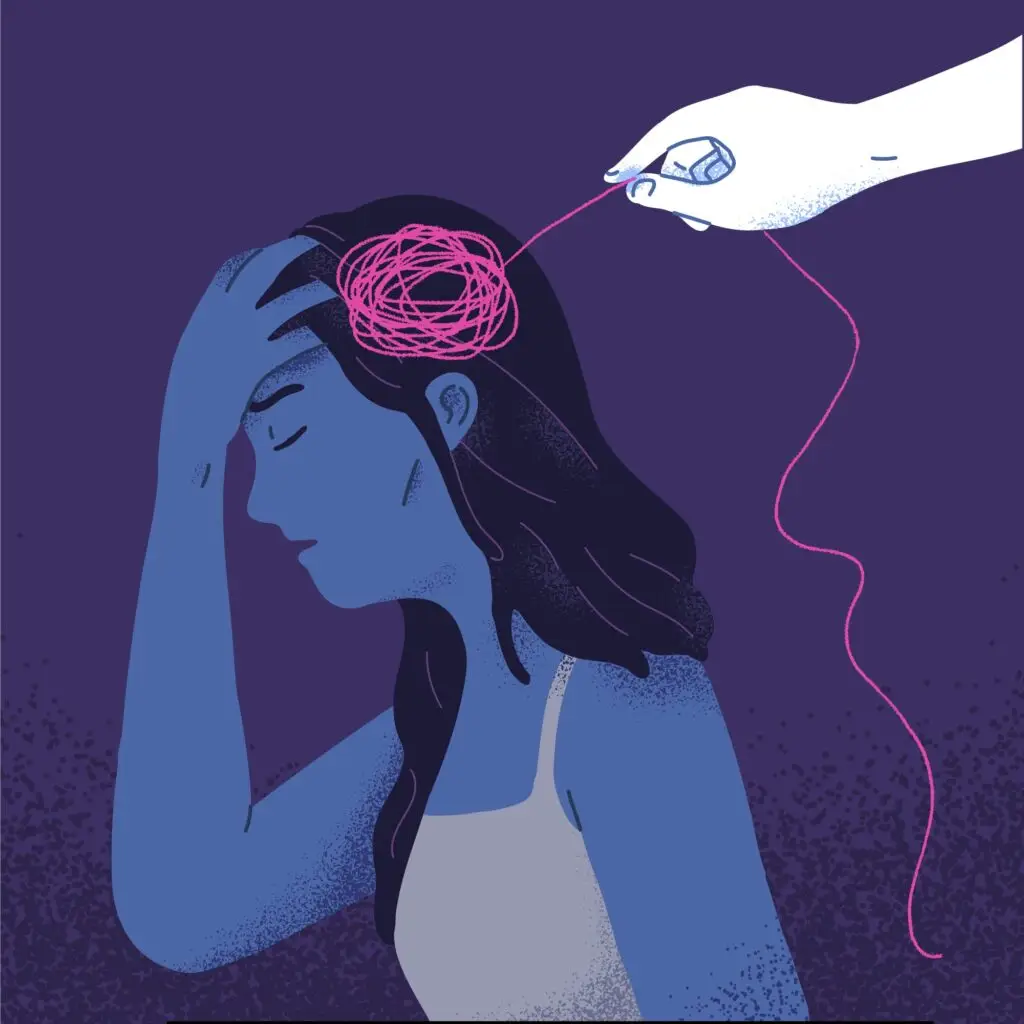
Understanding Partial Hospitalization Programs for Addiction Recovery in Sacramento: A Practical Guide to PHP Treatment Centers
Partial Hospitalization Programs (PHP) offer structured daytime behavioral health care that sits between full inpatient hospitalization and traditional outpatient services. PHP delivers intensive therapy during the day—multiple group sessions, one-on-one counseling, medication management when needed, and targeted psychoeducation—while letting people sleep at home each night. For individuals with moderate to severe substance use disorders or acute mental health needs who don’t require 24-hour inpatient supervision, PHP provides a focused, clinically driven option that emphasizes safety, practical skill-building, and clear step-down planning. This guide breaks down what PHP looks like in Sacramento and Elk Grove, who benefits most, how evidence-based therapies are used, how PHP compares to Intensive Outpatient Programs (IOP), and what to expect for admissions and insurance. You’ll learn about daily PHP schedules, dual-diagnosis care, measurable therapy outcomes, and how to navigate enrollment and coverage for local programs. This resource is especially valuable for those seeking addiction recovery PHP Sacramento County services.
What is a Partial Hospitalization Program and Who Benefits from It?
A Partial Hospitalization Program (PHP) is a daytime treatment model that provides concentrated clinical and medical services while participants return home in the evenings. PHP delivers high-contact care—typically several group therapy sessions each day, individual therapy, medication management, and case coordination—without requiring overnight stays. The main advantage is the combination of clinical intensity and real-life practice: participants learn coping and relapse-prevention skills in a supervised setting and then apply them at home, which helps those skills stick. Clinicians commonly recommend PHP as a step-down after inpatient care or as a step-up from standard outpatient therapy when symptoms or relapse risk require more frequent clinical attention.
SagePoint Behavioral Health runs a Partial Hospitalization Program serving Sacramento and Elk Grove that exemplifies a local PHP model: separate Mental Health and Substance Use tracks, licensed clinical staff, individualized treatment plans, and ongoing alumni support. This example shows how local PHP centers blend evidence-based therapies with coordinated care; you’ll find more detail on SagePoint’s clinical approach and schedule under “How Does SagePoint Behavioral Health’s PHP Address Substance Use Disorders?” below.
PHP offers several practical advantages for recovery:
- Clinical intensity with home reintegration: Daily therapy and medical oversight, plus returning home at night, help people practice recovery skills in real settings.
- Comprehensive multidisciplinary care: Psychiatry, therapy, nursing, and case management work together on one coordinated plan.
- Flexible step-care pathway: PHP supports stepping down from inpatient care or stepping up from IOP when clinical needs change.
These strengths make PHP a good fit for people who need daily therapeutic contact but can remain safe at home. Seeing how a typical day is organized helps explain why PHP is effective for addiction recovery while keeping community connections intact.
How Does PHP Provide Structured Day Treatment for Addiction Recovery?
PHP schedules pack therapeutic work into a predictable, high-contact daily routine that supports skill-building and accountability. A typical PHP day starts with intake/check-in, followed by morning group therapy focused on relapse prevention or coping strategies, mid-day educational workshops, a supervised lunch break, afternoon individual sessions or medication management, and end-of-day discharge planning with the care team. Licensed therapists, psychiatric prescribers, and case managers meet regularly to monitor progress, adapt treatment plans, and respond to crises when they arise. This structure reduces unstructured time that can trigger substance use and gives repeated opportunities to practice new skills in both group and one-on-one settings.
Common daily components include:
- Morning group therapy: skill practice, peer support, and shared learning.
- Psychoeducation workshops: relapse prevention, brain chemistry, and coping tools.
- Individual therapy or medication management: focused clinical work tailored to each person.
That predictable rhythm supports steady progress through repetition, feedback, and coordinated clinical oversight—key factors clinicians use when deciding who should enter PHP versus other levels of care.
Who Qualifies for PHP in Sacramento County?
Eligibility for PHP is determined by clinical need. Typical candidates require daily, intensive services but do not need round-the-clock inpatient supervision. Indicators include a recent relapse that affects functioning, subacute psychiatric symptoms (for example, severe depression or stabilized suicidal thoughts that still need close monitoring), or the need for tight medication management alongside psychotherapy. Common referral sources include hospital inpatient units as a step-down, emergency departments after crisis stabilization, outpatient clinicians recommending higher intensity care, or self-referral when outpatient support isn’t enough. PHP is not appropriate when medical detox is required that cannot be safely managed outside an inpatient setting or when behaviors present an immediate safety risk that needs inpatient treatment.
Common referral pathways:
- Hospital discharge planners recommending a step-down to keep recovery momentum.
- Emergency departments stabilizing a crisis and transferring to PHP for follow-up care.
- Outpatient clinicians or self-referral when symptoms escalate beyond outpatient scope.
Timely, accurate eligibility assessments and appropriate referrals help people enter the level of care most likely to reduce risk and support lasting recovery. That leads into how local providers organize their programs and logistics.
How Does SagePoint Behavioral Health’s PHP Address Substance Use Disorders?
SagePoint Behavioral Health’s PHP approaches substance use disorders with structured, evidence-based care: dedicated Substance Use PHP tracks, licensed clinicians, and individualized treatment plans designed around each person’s needs. Programming emphasizes relapse prevention, craving management, and practical skill-building through group and individual work. SagePoint integrates research-backed methods—such as cognitive and behavioral therapies, motivational strategies, and relapse-focused education—while coordinating medication management and case planning. The program also offers alumni support and a virtual IOP option for California residents; PHP services are provided in person in the Sacramento/Elk Grove area.
SagePoint’s model balances clinical intensity with continuity of care and includes explicit step-down planning to outpatient services and alumni networks. For local intake, SagePoint Behavioral Health accepts inquiries and schedules clinical assessments at its Elk Grove office at 2368 Maritime Dr. Suite 200, Elk Grove, CA, and by phone at (916) 896-1061. This local orientation leads into substance-specific treatment considerations and how dual diagnosis is managed within PHP.
What Types of Addiction Does PHP Treat: Alcohol, Opioid, and Stimulant Recovery?
PHP protocols are adapted to the clinical needs of different substances while keeping the core focus on relapse prevention and skills training. For alcohol use disorder, PHP emphasizes medical monitoring, trigger management, craving-reduction techniques, and relapse-planning. Opioid use disorder care coordinates with medication-assisted treatment (MAT) when indicated, monitors withdrawal and cravings closely, and includes overdose-prevention education. Stimulant use disorder treatment often uses specialized approaches like the Matrix Model alongside CBT to address impulsivity, behavioral activation, and relapse triggers. Across all tracks, PHP groups address life skills, employment and housing stability, and family involvement as part of a complete recovery plan.
Substance-specific highlights:
- Alcohol: medical monitoring, coping skills, and relapse planning.
- Opioids: coordination with MAT when available plus close medication oversight.
- Stimulants: structured models such as the Matrix Model to support sustained engagement.
Customizing modules by substance ensures targeted intervention while keeping integrated care for co-occurring conditions, which brings us to how dual diagnosis is handled in PHP.
How is Dual Diagnosis Managed in PHP for Co-Occurring Mental Health Conditions?
PHP programs treat co-occurring substance use and mental health disorders with integrated care plans that align psychiatric evaluation, psychotherapy, and medication management with addiction-focused treatment. A thorough initial assessment identifies overlapping symptom patterns and creates a single, coordinated plan that addresses both conditions together—avoiding fragmented care that can hinder recovery. Psychiatrists and licensed therapists work closely to adjust medications alongside behavioral interventions like CBT and DBT, while case managers coordinate communication with outside providers and connect people to community supports. Integrated treatment reduces relapse by addressing mood or anxiety symptoms that often drive substance use and by monitoring medication–substance interactions.
Key elements of dual-diagnosis care:
- Comprehensive psychiatric assessment to guide medication and therapy decisions.
- Coordinated treatment planning between psychiatry, therapy, and case management.
- Concurrent delivery of substance-use and mental health interventions for better outcomes.
Treating both conditions together improves engagement and helps prevent the cycles that lead to repeated crises, which brings us to the mental health conditions commonly treated in PHP.
What Mental Health Conditions Are Treated in Sacramento’s Mental Health PHP?
Mental Health PHPs typically treat moderate to severe conditions that benefit from daily therapeutic contact and psychiatric oversight, including major depressive disorder, generalized anxiety disorder, bipolar disorder, and trauma-related conditions like PTSD. PHP combines evidence-based psychotherapies, medication management, and group skills training to reduce symptoms, restore function, and prevent crises. Trauma-informed care is woven throughout, prioritizing safety and empowerment while addressing drivers of emotional dysregulation and maladaptive coping. Mental Health PHP supports stabilization, symptom management, and the development of concrete coping skills to enable a safe return to a lower level of care.
Conditions commonly managed in Mental Health PHP:
- Depression: behavioral activation plus medication optimization.
- Anxiety disorders: exposure-based and cognitive strategies.
- Bipolar disorder: mood stabilization and psychoeducation.
- Trauma-related disorders: trauma-informed therapies and somatic supports.
Seeing how therapeutic approaches map to specific syndromes helps clarify expected outcomes and the therapy mechanisms described next.
How Does PHP Support Recovery from Depression, Anxiety, Bipolar Disorder, and Trauma?
PHP supports recovery through a mix of structured group skills training, targeted individual therapy, and psychiatric care focused on symptom reduction and functional improvement. For depression, behavioral activation and CBT help reduce avoidance and increase rewarding activity; for anxiety, exposure and cognitive restructuring lower fear-driven avoidance; for bipolar disorder, mood monitoring and medication coordination stabilize swings while teaching relapse-prevention; for trauma, trauma-focused and somatic approaches help process memories and reduce physiological reactivity. Measurable outcomes commonly include lower symptom scores, better daily functioning, and fewer crises when PHP is started at the right time and sustained as recommended.
Core therapeutic targets and outcomes:
- Emotion regulation: skills to prevent symptom escalation.
- Coping and problem-solving: practical tools for everyday stressors.
- Medication optimization: psychiatric oversight to support therapy progress.
These interventions are delivered through the evidence-based therapies summarized below, each contributing a specific mechanism of change.
What Role Does Trauma-Informed Care Play in Mental Health PHP?
Trauma-informed care reshapes program practices to emphasize safety, trust, choice, collaboration, and empowerment so people with trauma histories can engage without being retraumatized. In practice, trauma-informed PHPs adjust group norms, pace interventions to individual readiness, offer somatic strategies to regulate the nervous system, and prioritize stabilization before moving into exposure work. Clinicians screen for trauma histories and tailor treatments to avoid retraumatization while teaching skills that restore agency and safety. This approach improves engagement, lowers dropout, and makes other therapies more effective by creating a steady, trustworthy therapeutic environment.
Trauma-informed principles applied in PHP:
- Safety: predictable routines, clear boundaries, and a calm environment.
- Collaboration: shared decision-making in care planning.
- Empowerment: skills-based work that builds agency and choice.
Embedding trauma-informed practices strengthens all PHP interventions and supports more durable recovery outcomes, which connects to the specific therapies most commonly used.
Which Evidence-Based Therapies Are Integrated into PHP for Addiction and Mental Health?
PHPs blend several evidence-based therapies to treat substance use and mental health symptoms in both group and individual formats, reinforcing skills across settings. Core modalities include Cognitive Behavioral Therapy (CBT), Dialectical Behavior Therapy (DBT), Motivational Interviewing (MI), Acceptance and Commitment Therapy (ACT), somatic therapies, the Matrix Model for stimulant use, and structured relapse-prevention planning. Each method contributes a distinct mechanism—CBT targets thought–behavior patterns, DBT builds emotion regulation, MI strengthens motivation, ACT encourages values-driven action, and somatic work addresses bodily responses to trauma—creating a comprehensive toolkit for recovery.
Below is a comparison table that summarizes primary mechanisms and expected benefits of common PHP therapies to help clinicians and patients understand how methods map to goals.
| Therapy | Primary Mechanism | Benefit/Outcome |
|---|---|---|
| Cognitive Behavioral Therapy (CBT) | Restructures thoughts and behaviors | Reduces cravings, relapse risk, and symptom severity |
| Dialectical Behavior Therapy (DBT) | Teaches emotion regulation and distress tolerance | Improves impulse control and retention in treatment |
| Motivational Interviewing (MI) | Enhances intrinsic motivation | Increases engagement and readiness for change |
| Acceptance and Commitment Therapy (ACT) | Values-based action and acceptance | Promotes sustained behavior change aligned with values |
| Somatic Therapy | Regulates physiological responses | Reduces trauma symptoms and somatic triggers |
| Matrix Model | Structured behavioral program for stimulants | Improves abstinence and engagement in recovery |
This table highlights how different therapies work and why PHP programs combine several approaches to meet varied clinical needs. Focusing on CBT and DBT helps show how skills are taught, practiced, and reinforced.
How Do Cognitive Behavioral Therapy and Dialectical Behavioral Therapy Aid Recovery?
CBT and DBT are central to many PHP curricula because they target the thoughts, behaviors, and emotion-regulation difficulties that sustain substance use and psychiatric symptoms. CBT teaches people to spot and reframe unhelpful thinking, build new coping behaviors, and test those skills in real life. DBT emphasizes emotion regulation, distress tolerance, interpersonal effectiveness, and mindfulness—helping people manage intense urges and repair relationships. Both therapies are usually delivered in group skills modules and reinforced in individual sessions and between-session practice, which increases retention and lowers relapse risk.
Practical CBT/DBT examples used in PHP:
- CBT: cognitive restructuring and activity scheduling to lift mood.
- DBT: chain analysis and distress-tolerance exercises for high-risk situations.
- Integration: skills rehearsed in group, applied in individual work, and tracked by clinical staff.
These therapies form a reliable backbone for PHP programming, directly supporting long-term recovery by changing behavior and strengthening emotional stability.
What Are the Benefits of Motivational Interviewing, Acceptance and Commitment Therapy, and Somatic Therapy in PHP?
MI, ACT, and somatic approaches add important, complementary tools to PHP by addressing readiness, values-based action, and body-based responses to trauma and craving. MI helps resolve ambivalence early on through collaborative, nonjudgmental conversations that boost engagement. ACT supports committed action aligned with personal values even when difficult thoughts or feelings are present, promoting lasting behavior change. Somatic therapies—breathwork, grounding, and body-focused interventions—help regulate physiological responses to trauma and reduce triggers for relapse. Together, these approaches expand PHP’s reach to motivational, cognitive, and embodied factors that underlie substance use and mental health symptoms.
One-line benefits:
- MI: improves readiness and retention in care.
- ACT: encourages value-driven recovery actions.
- Somatic Therapy: reduces physiological triggers and supports trauma healing.
These methods are woven into PHP schedules via brief interventions, workshops, and focused individual sessions—setting the stage for a practical comparison between PHP and IOP.
How Does PHP Compare to Intensive Outpatient Programs in Sacramento?
PHP and IOP mainly differ by intensity, weekly hours, and clinical oversight, which determines when each level of care is most appropriate. PHP usually offers more hours per week (often 20+), daily attendance, on-site medical and psychiatric support, and more frequent individual and group sessions. IOP typically involves fewer hours (commonly 9–15 per week), spread across multiple days, offering more flexibility for work and family obligations and less frequent medical oversight. Outcomes data suggest higher-acuity cases or those stepping down from inpatient care benefit from PHP’s intensity, while stable patients who need structure but also scheduling flexibility often do well in IOP.
The table below compares program types side-by-side to help clinicians and patients choose the right level of care.
| Program Type | Intensity / Hours per Week | Typical Use Case / Benefit |
|---|---|---|
| Partial Hospitalization Program (PHP) | 20+ hours; daily attendance | For moderate-to-severe symptoms; step-down from inpatient; close monitoring |
| Intensive Outpatient Program (IOP) | 9–15 hours; multiple days per week | For moderate symptoms; flexible scheduling for work/family |
| Outpatient Therapy | 1–3 hours per week | For mild symptoms or maintenance care |
This comparison clarifies why PHP is chosen for higher-acuity needs and why IOP fits people balancing treatment with daily responsibilities. Key practical differences follow to help with quick decisions.
Key differences between PHP and IOP:
- Hours per week: PHP delivers more contact hours.
- Clinical oversight: PHP offers on-site medical and psychiatric availability.
- Flexibility: IOP provides greater scheduling flexibility for work and family commitments.
These distinctions form a straightforward decision framework clinicians and families use when choosing a care pathway, detailed in the next sections.
What Are the Key Differences in Treatment Intensity and Daily Structure?
Treatment intensity in PHP generally includes daily supervised groups, scheduled individual therapy, and routine medication management. IOP concentrates sessions across fewer days with less frequent medical check-ins. PHP’s daily routine reduces unmonitored time and allows faster clinical response to symptom changes, while IOP emphasizes applying skills at home with more independent practice. The higher staff-to-patient contact in PHP makes it preferable for people at greater relapse risk. Understanding these structural differences helps guide escalation or de-escalation of care.
Structural contrasts:
- Daily vs. several-days-per-week attendance.
- On-site medical oversight in PHP; less frequent in IOP.
- More intensive mix of groups and individual therapy in PHP.
These practical contrasts inform decisions about the right level of care given clinical markers and life circumstances.
How to Choose the Right Level of Care for Your Addiction Recovery Journey?
Choosing a level of care means weighing clinical severity, safety, functional impact, and practical constraints like work and family. Clinical markers that point to PHP include high relapse risk, unstable psychiatric symptoms, recent hospital discharge, or the need for daily medication monitoring. IOP is often suitable for motivated individuals with stable housing, lower relapse risk, and obligations that require scheduling flexibility. A clinician assessment is the most reliable way to determine placement; many programs offer a brief screening call to match services to clinical needs.
Decision checklist for level of care:
- Assess severity: recent crises or hospitalizations usually favor PHP.
- Consider safety needs: daily monitoring suggests PHP.
- Weigh practical factors: work, childcare, and transportation may point to IOP.
Discussing these markers with a clinician helps translate them into a personalized recommendation and leads into the admissions and insurance steps described next.
What Are the Admissions Process, Insurance Options, and Costs for PHP in Sacramento?
Admissions to PHP typically follow a clear sequence: initial phone screening, clinical intake assessment, insurance and benefits verification, and scheduling a start date with orientation materials. Required documents commonly include photo ID, a list of current medications, and relevant clinical records. Timelines depend on urgency, but many programs can arrange prompt starts for clinically indicated cases. Knowing these steps helps families prepare paperwork and reduce delays.
Below is a table that maps admissions steps to who’s involved and typical timelines to set expectations for prospective participants.
| Step | Who’s Involved | Expected Time / Requirement |
|---|---|---|
| Initial contact and screening | Intake coordinator or admissions staff | 15–30 minutes; basic clinical questions |
| Clinical assessment | Licensed clinician or case manager | 60–90 minutes; collects history and risk assessment |
| Insurance verification | Billing specialist | 1–3 business days; may require authorizations |
| Scheduling and orientation | Program scheduler | 24–72 hours after approval; provides start instructions |
This timeline shows how each stage works and what to expect; having documents ready speeds admission. The steps below outline what prospective clients typically do.
- Call or contact intake to begin the screening with basic personal and clinical details.
- Complete a clinical assessment to confirm the right level of care and create an initial treatment plan.
- Verify insurance and authorizations so coverage is clarified before the start date.
- Schedule orientation and your first day with transportation and medication instructions provided.
Gathering ID, medication lists, and recent clinical notes ahead of time speeds enrollment and reduces administrative roadblocks. SagePoint Behavioral Health coordinates intake by phone at (916) 896-1061 and schedules clinical assessments at its Elk Grove office: 2368 Maritime Dr. Suite 200, Elk Grove, CA.
How to Navigate PHP Admissions and Schedule a Free Consultation?
Start with a short intake call to describe current concerns and request a clinical assessment; bring basic medical and medication information. In a no-cost consultation, a clinician will ask about substance use history, recent crises, medical issues, and treatment goals—information that helps identify whether PHP, IOP, or outpatient care is the best match. Providing insurance details and prior treatment records up front speeds benefits checks and reduces delays to care.
What to prepare for the consultation:
- Photo ID and insurance card (if available).
- List of current medications and prescribers.
- Short summary of recent treatment and goals.
After the consultation, admissions staff will coordinate benefits, authorizations, and orientation so you can begin at the earliest clinically appropriate date.
Which Insurance Plans Does SagePoint Behavioral Health Accept for PHP?
Insurance participation is verified case-by-case; prospective clients should contact SagePoint Behavioral Health’s intake team to confirm plan acceptance and specific benefits for PHP. The program commonly works with private commercial plans and public payers, but exact participation varies by plan. During intake, the billing team runs a benefits check to clarify copays, prior-authorization requirements, and any expected out-of-pocket costs before enrollment.
How to confirm coverage:
- Provide your insurance carrier and plan information during the intake call.
- Allow the billing team to run a benefits check and advise on authorizations.
- Ask for a written estimate of any expected patient responsibility.
Confirming coverage up front sets clear expectations and helps schedule PHP services without surprises.
| Step | Who’s Involved | Expected Time / Requirement |
|---|---|---|
| Provide insurance details | Prospective client | During intake call |
| Benefits check and authorization | Billing specialist | 1–5 business days depending on insurer |
| Cost estimate provided | Billing specialist | After verification; outlines copays and patient’s share |
- Gather insurance and medication information before calling intake.
- Request a benefits check and ask about any prior authorization steps.
- Get a clear cost estimate before confirming a start date.
Being prepared reduces administrative barriers so the clinical team can focus on care immediately.
Frequently Asked Questions
What is the typical duration of a Partial Hospitalization Program?
Program length varies based on individual needs and treatment goals. PHPs commonly last from a few weeks to several months. Most PHPs recommend attending daily sessions of about 4 to 6 hours per day, five days a week. The exact length of stay is decided through regular clinical evaluations, which track progress and determine when a person is ready to step down to a lower level of care.
How does PHP support family involvement in the recovery process?
Family engagement is an important part of recovery in many PHPs. Programs often offer family therapy sessions, education workshops, and support groups to help loved ones understand addiction and mental health challenges. Including family members supports better communication, strengthens relationships, and gives families practical tools to support recovery—reducing the chance of relapse and improving long-term outcomes.
Are there specific therapies used for trauma recovery in PHP?
Yes. Many PHPs include specialized trauma therapies such as Trauma-Focused Cognitive Behavioral Therapy (TF-CBT), Eye Movement Desensitization and Reprocessing (EMDR), and somatic approaches that address the body’s response to trauma. These methods aim to help people process traumatic experiences, reduce symptoms of PTSD, and develop healthy coping strategies. Trauma-informed care principles guide how and when these therapies are introduced to ensure safety and effectiveness.
What role does medication management play in PHP?
Medication management is a core component of PHP, especially for people with co-occurring mental health and substance use disorders. Psychiatric professionals regularly assess medication effectiveness, adjust dosages, and monitor side effects. Coordinating medication with therapy helps stabilize symptoms, improves engagement in treatment, and supports better overall outcomes.
Can PHP be used as a step-down from inpatient treatment?
Yes. PHP is frequently used as a step-down option after inpatient hospitalization. It provides structured, intensive therapeutic support during the day while allowing people to return home at night. This gradual transition helps maintain gains from inpatient care while supporting reintegration into daily life and reducing the risk of relapse.
How do I know if PHP is the right choice for me or a loved one?
Deciding whether PHP is right depends on clinical needs, safety, and the level of support required. PHP fits those with moderate to severe symptoms who need daily therapeutic contact but not 24-hour supervision. A thorough evaluation by a mental health professional will determine the best level of care. Consider recent crises, functional impairment, and the need for intensive support when making this decision. For those searching specifically for addiction recovery PHP Sacramento County options, consulting with local providers can clarify the best fit.
Conclusion
Partial Hospitalization Programs provide a practical bridge for people who need intensive treatment while staying connected to their homes and communities. With structured daily therapy, coordinated clinical care, and a focus on concrete skills, PHP helps participants build a sustainable path to recovery for both substance use and mental health challenges. If you or a loved one are considering PHP, reach out to local providers for individualized guidance and support. Take the next step—help is available and recovery is possible.