Family Counseling for Addiction Recovery: What You Need to Know
Family counseling for addiction recovery brings relatives into treatment in a structured, evidence-based way to boost engagement, improve communication, and reduce relapse risk. Research and clinical experience show that when families learn healthier patterns and support recovery-focused routines, treatment holds longer and outcomes improve. This guide walks through how substance use changes family systems, the proven benefits of family-based care, common therapy models, and how family work fits into higher levels of care like PHP and IOP. You’ll also find realistic expectations for sessions, practical tools for boundaries and coping, and local resources for families in Elk Grove and Sacramento County. Throughout, we use terms such as family therapy for addiction, behavioral couples therapy, structural family therapy, codependency, enabling, relapse prevention, PHP, and IOP to help you find services and understand options.
How Does Addiction Impact Families and Their Dynamics?
Addiction affects the whole household. It can shift how people relate, who takes on which responsibilities, and how safe or stable day-to-day life feels—all of which can unintentionally sustain substance use. Children may step into caregiving roles, partners may withdraw to avoid conflict, and boundaries can become blurred. These patterns often bring ongoing anxiety, shame, and mistrust that make honest communication and relapse prevention harder. Early attention to these systemic changes helps families restore healthier routines that support both recovery and day-to-day functioning.
Families commonly experience several overlapping impacts from substance use:
- Emotional strain: ongoing fear, anger, or hypervigilance in the home.
- Role shifts: children acting like caregivers or partners assuming extra responsibilities.
- Financial instability: lost income, debt, or money diverted to support use.
- Safety and legal concerns: higher risk of accidents, conflict, or legal problems.
These issues often show up in everyday life and can worsen without intervention. Clinicians typically assess family patterns early so they can design a treatment plan that addresses both substance use and the relational dynamics that feed it.
What Are the Common Family Challenges Like Codependency and Enabling?
Codependency and enabling are patterns where family responses—intended to help—end up protecting the substance use. Codependency often looks like excessive caretaking, blurred boundaries, and tying self-worth to “fixing” someone. Enabling can be paying bills, providing shelter after a relapse, or downplaying consequences. Watch for red flags such as secret-keeping, repeated financial bailouts, and emotional dependence on the person using substances. Early family work focuses on restoring clear boundaries, encouraging accountability, and teaching loved ones how to tolerate discomfort without rescuing—steps that reduce reinforcement of substance use and set the stage for shared relapse-prevention planning.
What Are the Proven Benefits of Family Therapy in Addiction Recovery?
Family therapy produces measurable gains by shifting interaction patterns, lowering exposure to high-risk situations, and improving engagement with care. Research shows family-involved approaches increase retention in treatment, reduce relapse rates, and boost overall psychosocial functioning for both the person with a substance use disorder and their relatives. These improvements come from better communication, clearer boundaries, joint relapse plans, and addressing co-occurring trauma or mental health needs within the family system.
Family therapy produces several evidence-based benefits:
- Improved treatment retention: family involvement often increases motivation and session attendance.
- Stronger relapse prevention: joint planning reduces triggers and clarifies accountability.
- Better family functioning: therapy helps rebuild trust, roles, and communication.
- Co-occurring care: family assessment can reveal trauma or mental health concerns that affect recovery.
These outcomes align with national behavioral health findings that systemic approaches improve recovery. The table below links each benefit to the mechanisms that create change.
Different benefits of family therapy map to specific mechanisms and measurable outcomes.
| Benefit | Mechanism/Attribute | Evidence/Outcome |
|---|---|---|
| Improved engagement | Family support increases motivation and attendance | Higher retention rates in family-involved programs (research-supported) |
| Relapse prevention | Collaborative planning and monitoring of triggers | Reduced relapse frequency and faster crisis response |
| Communication & trust | Skills training (active listening, repair strategies) | Measurable gains in relationship satisfaction |
| Integrated mental health care | Family assessment identifies co-occurring issues | Better linkage to dual-diagnosis treatment |
This mapping clarifies how focused family interventions drive specific, research-aligned improvements and prepares you for the practical techniques therapists use in sessions.
How Does Family Counseling Improve Communication and Rebuild Trust?
Family counseling teaches practical skills—active listening, “I” statements, repair sequences—and gives families structured opportunities to practice them. Therapists model neutral facilitation, coach de-escalation, and use role-plays so members can try new ways of interacting in a safe setting. Repeated positive interactions and transparent agreements help replace secrecy and blame with accountability and shared goals. As communication steadies, families move from crisis-driven responses toward coordinated relapse-prevention and ongoing support.
In What Ways Does Family Therapy Support Relapse Prevention and Healing?
Family therapy helps create shared relapse plans that spell out who does what in a crisis and identifies family-level triggers that need change. Practical steps include naming high-risk situations, assigning monitoring or check-in roles, and teaching coping skills relatives can prompt or model. When family scaffolding complements individual relapse-prevention work, it reduces enabling, increases immediate support for sober choices, and lowers the chance and severity of relapse. Different therapy models emphasize different family mechanisms, which informs the choice of approach.
What Types of Family Counseling Are Effective for Substance Abuse?
Several family therapy models are effective for substance use disorders. The best fit depends on family makeup, the age of the person with SUD, and treatment goals. Common approaches include behavioral couples therapy, structural family therapy, and multidimensional or functional models that address broader systems like school and peers. The table below outlines each model’s focus and typical outcomes to help you understand which approach may be most appropriate.
Different family therapy approaches vary by mechanism and expected family outcomes.
| Therapy Model | Primary Focus / Mechanism | Typical Family Outcomes |
|---|---|---|
| Structural Family Therapy | Reorganizes family subsystems and boundaries | Clearer roles, less parentification, improved daily functioning |
| Behavioral Couples Therapy (BCT) | Uses contingency management and partner support to reinforce sobriety | Higher sobriety rates and better relationship satisfaction |
| Multidimensional/Functional Models | Addresses multiple systems (school, peers, family) for adolescents | Reduced adolescent substance use and better family-school alignment |
This comparison clarifies when each model is commonly used and what families can expect in terms of outcomes.
How Does Structural Family Therapy Realign Family Roles?
Structural Family Therapy (SFT) maps family subsystems, spots boundary problems, and intervenes in real-time interactions to shift unhealthy patterns. Therapists may assign tasks to restore parental authority, coach siblings to reduce triangulation, or stage enactments so new roles can be practiced and reinforced. When families consistently apply these role changes at home, functional gains follow—making SFT especially useful when role confusion or boundary collapse is maintaining substance use.
What Is Behavioral Couples Therapy and Its Role in Addiction Recovery?
Behavioral Couples Therapy (BCT) treats the couple as a unit of change, using positive reinforcement, contingency management, and relationship skills to support sobriety. BCT techniques include rewarding sober days, collaborative problem-solving, and communication training so the relationship context encourages recovery rather than enabling use. Controlled studies show BCT can reduce substance use and improve relationship satisfaction more than individual therapy alone for appropriate couples. Suitability depends on relationship safety and commitment from both partners; BCT is not recommended when intimate partner violence is present.
How Is Family Involvement Integrated into Addiction Treatment Programs?
PHP and IOP programs typically include family psychoeducation, dedicated family sessions, and joint planning meetings so individual goals align with home-based supports. Program components often feature regular workshops for skills-building, family-only groups for caregiver needs, and conjoint sessions to practice communication and relapse plans with clinician facilitation. Higher levels of care allow more intensive family work because of the increased contact hours; virtual options also help when in-person attendance is difficult. The table below outlines common program activities and what families can expect from each.
This table summarizes program components, family activities, and expected results in structured care settings.
| Program Component | Family Role / Activity | Expected Result |
|---|---|---|
| Family psychoeducation | Attend workshops on substance use and recovery | Greater understanding and more consistent support at home |
| Conjoint family sessions | Practice communication and relapse planning with a clinician | Clear agreements and coordinated responses during crises |
| Family-only support groups | Caregiver skill-building and peer support | Reduced caregiver stress and better coping strategies |
| Virtual family sessions | Remote participation in treatment planning | Improved access and ongoing involvement |
These integration points create clear ways for families to participate in recovery work and lead naturally into how a local provider might apply these methods.
How Does SagePoint Behavioral Health Incorporate Family Support in PHP and IOP?
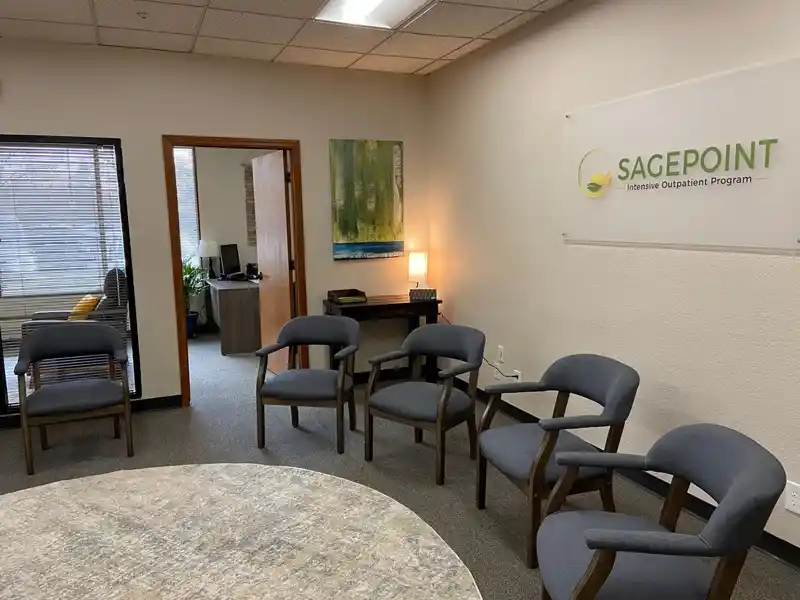
SagePoint Behavioral Health builds family support into its clinician-led PHP and IOP programs by offering family psychoeducation, family-adapted CBT, DBT, MI, and Matrix Model interventions, and virtual IOP options across the state. Our clinicians use trauma-informed, evidence-based practices to tailor family sessions that teach communication, boundary-setting, and relapse-prevention planning while maintaining a compassionate, professional approach. Families can expect coordinated scheduling so family sessions complement individual and group work, aligning home supports with clinical goals. If in-person attendance in Elk Grove or Sacramento County isn’t possible, virtual sessions increase access. Contact SagePoint Behavioral Health to schedule a free consultation and learn about PHP and IOP enrollment options.
What Personalized Plans Promote Lasting Family Wellness?
Personalized family plans start with a thorough assessment of dynamics, strengths, and stressors and set measurable goals for recovery and relational health. Typical plans blend individual therapy, family sessions, and skills groups with timelines, home-practice tasks, and clear relapse-prevention steps that assign family roles. Aftercare connects families to community supports and follow-up care to sustain progress; outcome measures—attendance, relapse events, and family functioning scores—guide ongoing adjustments. Combining assessment-driven goals with structured practice and community linkage helps families build durable change and lower relapse risk.
What Should Families Expect During Counseling Sessions for Addiction Recovery?
Sessions usually follow a steady rhythm: assessment and goal-setting, skills training and practice, and review with home assignments to support real-world application. Therapists begin with intake interviews to map relationships and patterns, then set ground rules for confidentiality, respectful communication, and safe participation. Sessions emphasize rehearsal—therapists coach active listening, “I” statements, and problem-solving while intervening to de-escalate and model repair—so family members learn deliberate responses instead of reactive ones. Knowing this structure helps families prepare emotionally and practically for productive work.
Families can prepare by completing a brief intake summary, identifying specific goals, and agreeing on rules for respectful participation and follow-through. This preparation keeps sessions focused, demonstrates commitment, and increases the chance that what’s learned in therapy transfers into daily life.
How Are Safe Spaces Created for Open Dialogue?
Therapists create safe spaces by setting clear rules—no interrupting, no blaming, timed speaking turns—and explaining confidentiality limits at the start of family work. Clinicians use emotional containment: normalizing feelings, redirecting escalation, and reflecting statements so each member feels heard. If needed, providers will separate members briefly for individual check-ins and then bring material back into the family session with a plan for repair. When concerns extend beyond the family’s scope, clinicians coordinate individual therapy or additional supports to protect everyone involved.
Families should expect therapists to intervene when conversations become unsafe and to offer alternatives—individual therapy, safety planning, or brief time-outs—so progress isn’t lost. That containment and structure make it possible to address difficult topics while minimizing harm.
How Are Healthy Boundaries and Coping Skills Developed?
Boundaries and coping skills are built through instruction, in-session practice, and homework that embeds new behaviors into daily life. Therapists teach a clear boundary process—identify a limit, state it, set consequences, and follow through—and coach family members to role-play these steps in session. Coping skills often draw from DBT (distress tolerance), caregiver self-care routines, and structured problem-solving to limit impulsive reactions that enable substance use. Regular homework and reviews help these skills become habits and support lasting relational change.
Families who consistently practice boundaries and coping strategies report more emotional stability and less reactivity, which creates a safer environment for recovery and complements individual treatment. Clinicians emphasize repetition and real-world application so families can participate reliably in long-term relapse prevention.
What Local Resources and Support Are Available for Families in California?
Families in Elk Grove and Sacramento County can tap peer support groups, county behavioral health services, and statewide virtual programs to supplement clinical care. Local options include family education workshops, Al-Anon and other family peer groups, county family support lines, and agencies that help with case management, housing, or legal referrals. Virtual groups expand access for those who can’t attend in person, and community programs often offer parenting classes, therapy referrals, and crisis prevention services. The list below summarizes common supports families should consider while engaged in treatment.
Local and statewide family support options include:
- Peer support groups: family-focused Twelve-Step and psychosocial peer meetings.
- County behavioral health: family services, referrals, and coordination.
- Family education: workshops on substance use, relapse prevention, and communication.
- Virtual support networks: online family groups and telehealth family therapy options.
These resources reinforce clinical care and help families practice skills between sessions. Combining community supports with formal therapy strengthens continuity and resilience.
Where Can Families Find Support Groups and Community Connections?
Families can connect through local organizations that run family education and peer groups, mutual-help chapters, and county behavioral health departments that offer referrals and coordination. Common entry points include community mental health clinics, hospital outpatient programs with family services, and nonprofit family resource centers. Virtual options provide statewide access for members who work or live outside the area, allowing consistent participation in skill-building and peer support. Contacting county behavioral health or local community providers is a practical first step to find groups and schedule family-focused workshops.
How Can Families Schedule a Consultation with SagePoint Behavioral Health?
To explore family-involved care at SagePoint Behavioral Health, request a free consultation to review clinician-led PHP and IOP programs in Elk Grove, Sacramento County, and virtual IOP statewide. During the consultation, be ready to discuss treatment goals, availability for family sessions, and any immediate safety concerns; the intake will cover program structure, family scheduling, and the evidence-based therapies we use. SagePoint emphasizes trauma-informed, clinician-led care with family psychoeducation and conjoint sessions when appropriate. Scheduling a consultation is the best way to see whether a coordinated PHP or IOP family plan fits your needs.
Frequently Asked Questions
What role do family dynamics play in addiction recovery?
Family dynamics shape recovery. How family members communicate, manage conflict, and offer support can either help or hinder progress. Positive dynamics—open communication, consistent boundaries, and mutual support—tend to improve outcomes. Negative patterns, like enabling or chronic conflict, can prolong substance use. Clinicians assess these dynamics so treatment can target both the addiction and the relational patterns that influence it.
How can families prepare for counseling sessions?
Prepare by naming one or two priorities you want to address, filling out a brief intake summary if provided, and agreeing on ground rules for respectful participation. Being clear about goals and availability helps therapists set realistic plans and keeps sessions focused and productive.
What are some common misconceptions about family therapy for addiction?
Common misconceptions: that family therapy blames relatives, that it only benefits the person with SUD, or that it’s a quick fix. In truth, family therapy focuses on changing interaction patterns to support recovery, helps all members learn healthier skills, and usually requires time and commitment to produce lasting change.
How can families identify enabling behaviors?
Look for patterns that shield the person from consequences—covering up, paying bills despite ongoing use, or making excuses. Feeling overly responsible for someone’s choices is another sign. Recognizing enabling behavior is the first step toward setting boundaries and promoting accountability.
What should families do if they feel overwhelmed during therapy?
If you feel overwhelmed, tell the therapist. Clinicians can slow the pace, take breaks, offer grounding techniques, or schedule individual check-ins. Open communication about emotional limits keeps the work safe and more effective.
How can families maintain progress after therapy ends?
Maintain progress by scheduling regular check-ins, using a structured relapse-prevention plan, and staying connected to community supports or continuing education workshops. If new issues arise, returning to therapy or joining booster sessions can help sustain gains.
What resources are available for families seeking help with addiction?
Families can access Al-Anon and other peer supports, county behavioral health services, family education workshops, and telehealth therapy options. Local mental health clinics and community organizations can help you find the right mix of services for your situation.
Conclusion
Family counseling is a powerful component of addiction recovery. When families learn healthier ways to communicate, set boundaries, and plan for relapse, they create a safer, more supportive environment for long-term sobriety. If you’re ready to explore family-involved care, reach out to a local provider or schedule a consultation with SagePoint Behavioral Health to discuss how a coordinated plan can help your family move forward.