Families are often at the heart of recovery, and their involvement can make a powerful difference in the healing journey. Intensive Outpatient Programs (IOPs) are designed to provide structured therapy while allowing individuals to maintain a connection to their everyday life. Yet, actual progress often requires more than individual effort. Support groups create an environment where families can come together, share experiences, and heal collectively. At SagePoint Behavioral Health, these groups are designed to strengthen family bonds in IOP by fostering understanding, resilience, and mutual support.
The Role of Family in Recovery
Recovery is never an isolated experience. When one person struggles with addiction or mental health challenges, the impact often extends throughout the entire household. Family members may carry stress, frustration, or uncertainty, which can create distance and tension in relationships. Without proper guidance, it becomes easy for loved ones to unintentionally encourage negative cycles or miss opportunities to provide the type of support that leads to lasting healing. These struggles underscore the importance of family involvement in the recovery process.
In an Intensive Outpatient Program (IOP), families are encouraged to take an active role in treatment, thereby strengthening recovery at its roots. Participation enables them to understand harmful patterns better, practice healthier communication, and rebuild a sense of trust. This involvement is not only beneficial for the individual receiving treatment, but it also fosters a stronger family unit overall. Support groups within IOP settings help strengthen family bonds in IOP, making progress more sustainable at home.
What Are Support Groups in IOP?
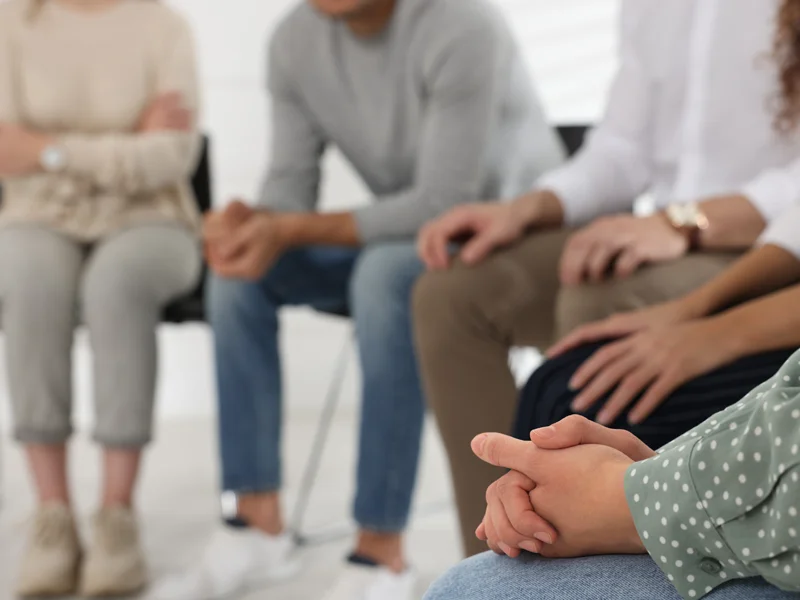
Support groups in IOP are structured sessions designed to bring families and individuals together to share experiences and foster mutual support. These groups may be led by therapists, peers, or community facilitators, but all aim to create a safe space where participants can connect, learn, and grow. Unlike one-on-one counseling, support groups focus on collective healing by encouraging members to:
- Exchange personal insights and coping strategies
- Listen to others’ struggles with empathy and understanding
- Offer encouragement and celebrate progress together
- Recognize that they are not alone in their challenges
Families often find comfort and renewed hope through these shared experiences. Support groups help strengthen family bonds in IOP, making recovery more unified and sustainable.
How Support Groups Strengthen Family Bonds in IOP
Improved Communication Skills
Support groups provide tools that help families express themselves without judgment or hostility. Learning how to communicate effectively allows each member to feel heard and respected. Over time, these skills reduce conflict and create healthier conversations at home.
Shared Experiences Reduce Isolation
Many families feel as though they are the only ones facing difficulties. Hearing from others in similar circumstances validates their feelings and provides reassurance. This shared understanding strengthens empathy, reminding families that recovery is a collective effort.
Building Empathy and Understanding
Support groups encourage participants to view situations from multiple perspectives. When family members better understand the emotional struggles of their loved ones, they are more likely to respond with patience and compassion. This empathy deepens connections and eases tensions.
Encouraging Accountability and Responsibility
Accountability is a cornerstone of recovery. In support groups, families learn how to hold one another responsible in constructive ways. This prevents old patterns from resurfacing and promotes consistent progress both inside and outside therapy sessions.
Celebrating Milestones Together
Recovery is filled with small victories that deserve recognition. Support groups highlight these achievements, whether it’s a week of sobriety, improved communication, or a renewed sense of trust. Celebrating together reinforces the idea that healing is a shared success.
Benefits Beyond Recovery
Long-Term Resilience and Coping Strategies
The lessons learned in support groups extend far beyond the treatment itself. Families develop coping strategies that help them weather future challenges, whether related to recovery or everyday stressors. This resilience ensures stability and prevents relapse triggers from overwhelming progress.
Restoring Trust and Emotional Safety
Addiction or mental health struggles can fracture trust. Support groups create structured opportunities to rebuild that trust slowly and consistently. As honesty and reliability increase, emotional safety within the family grows, allowing members to reconnect in meaningful ways.
Supporting Healthier Boundaries
Boundaries are critical for both recovery and family health. Support groups teach families how to set and maintain these boundaries in a respectful manner. Clear limits prevent enabling behaviors while protecting the well-being of each member.
Strengthening Family Dynamics
A strong family dynamic fosters a supportive home environment, enabling individuals to thrive. Support groups help families redefine roles, clarify expectations, and establish healthier patterns of interaction and communication. These positive changes make the family unit more adaptable and supportive in the long term.
Tips for Families Considering Support Groups
Find the Right Group for Your Family
Every family’s needs are unique. Some may benefit most from therapist-led sessions, while others thrive in peer-driven environments. Researching available options and seeking guidance from providers like SagePoint Behavioral Health can help families find the best fit.
Ask the Right Questions
Before joining a group, families should ask questions such as:
- How often does the group meet?
- Who facilitates the sessions?
- What is the primary focus of the group?
These questions ensure that the group aligns with their specific needs and expectations.
Commit to the Process
Support groups are most effective when families participate consistently and regularly. It takes time to see progress, but regular attendance reinforces new skills and strengthens bonds. Families who commit fully are more likely to experience lasting benefits.
Family Support Groups in IOP: Frequently Asked Questions
Families often have questions when considering participation in support groups as part of an Intensive Outpatient Program. To provide clarity and reassurance, here are answers to some of the most common concerns:
Q: Are support groups mandatory in IOP?
A: Not all programs require support group participation, but many recommend them because they provide additional support and healing opportunities.
Q: Do family members need to share personal details?
A: Sharing is encouraged but never forced. Families are free to participate at their comfort level while benefiting from listening to others.
Q: Can support groups help if the family has deep conflicts?
A: Yes. Support groups offer guidance on addressing conflicts constructively, and when necessary, facilitators may recommend additional therapy to address more profound issues.
Strengthen Family Bonds in IOP with Support Groups
Recovery is more than an individual journey; it extends to the entire family. When families are involved in treatment, they gain tools to rebuild trust, improve communication, and provide a supportive foundation for their loved one. Support groups create a safe space for sharing experiences, learning new perspectives, and developing stronger emotional connections. At SagePoint Behavioral Health, our goal is to foster environments that support families in growing together while promoting lasting recovery.
For those seeking meaningful ways to strengthen family bonds in IOP, support groups are an effective path toward sustainable change. Families who commit to this process often find deeper resilience and a renewed sense of unity. Contact SagePoint Behavioral Health today to learn more about IOP support groups and how they can bring your family closer while encouraging healing.